Call us

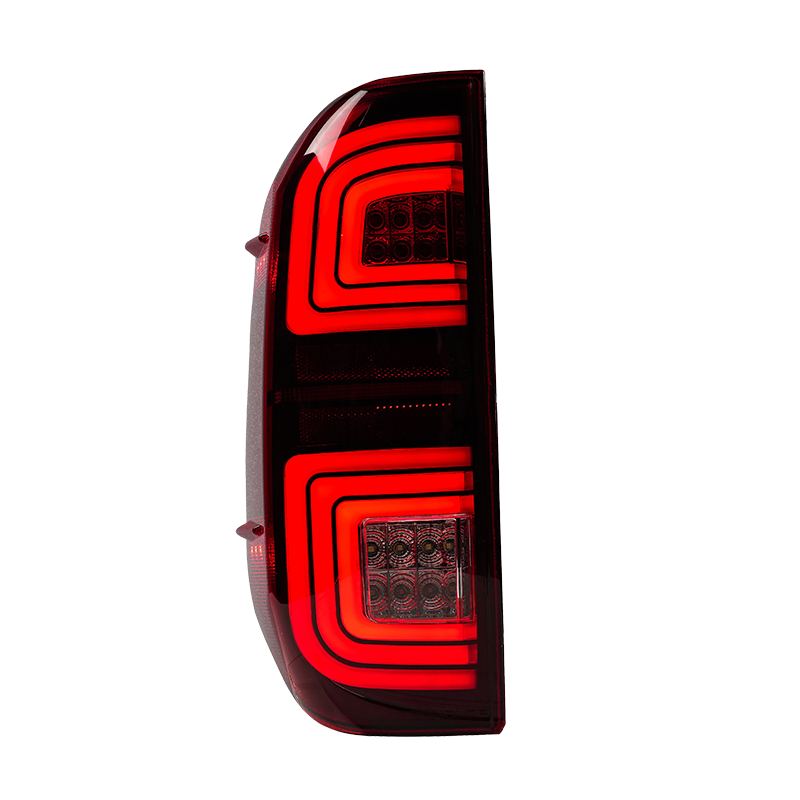
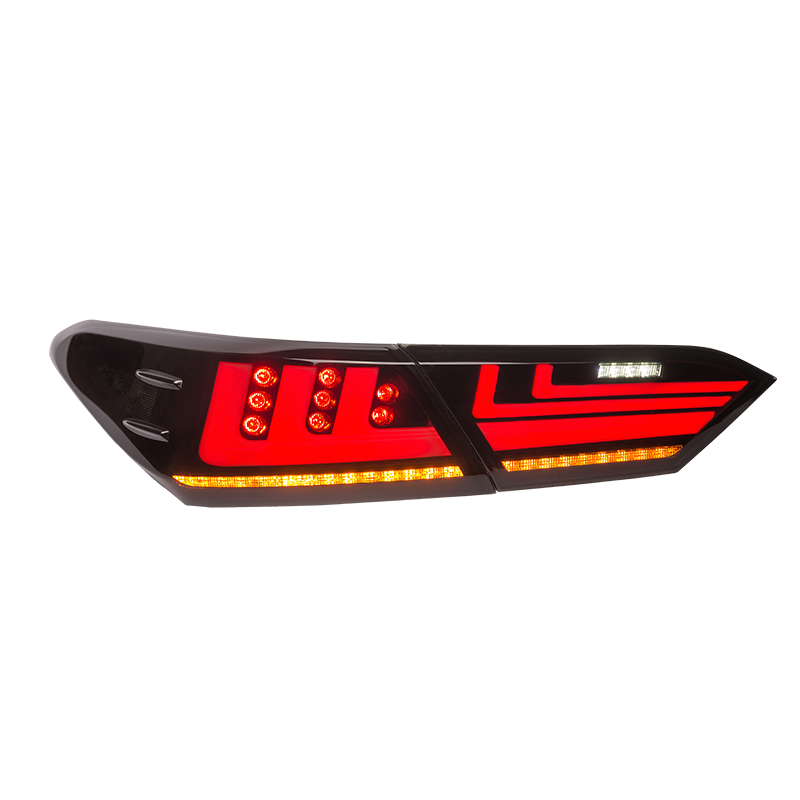
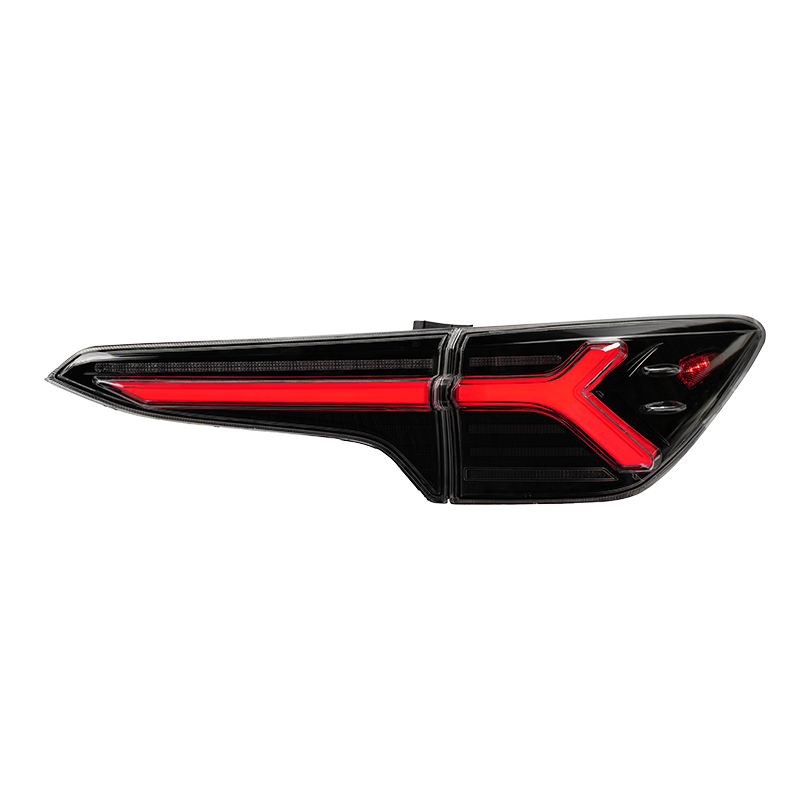
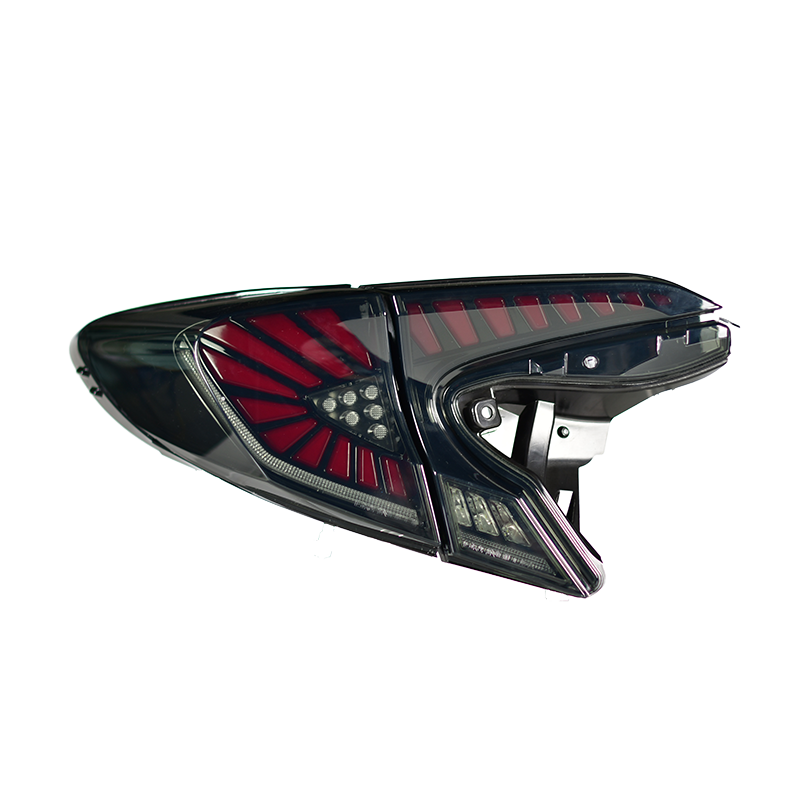
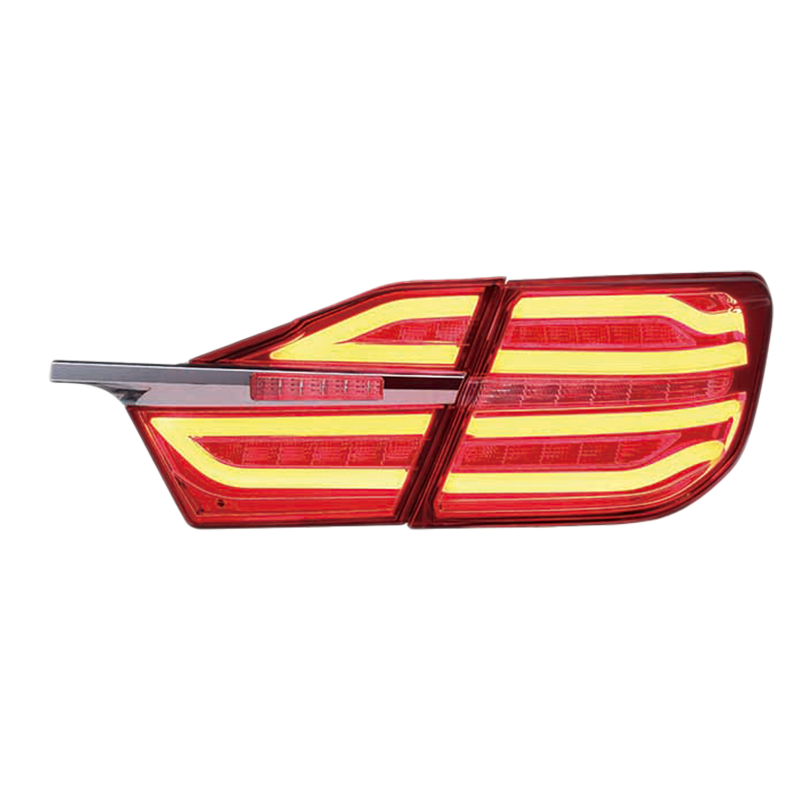
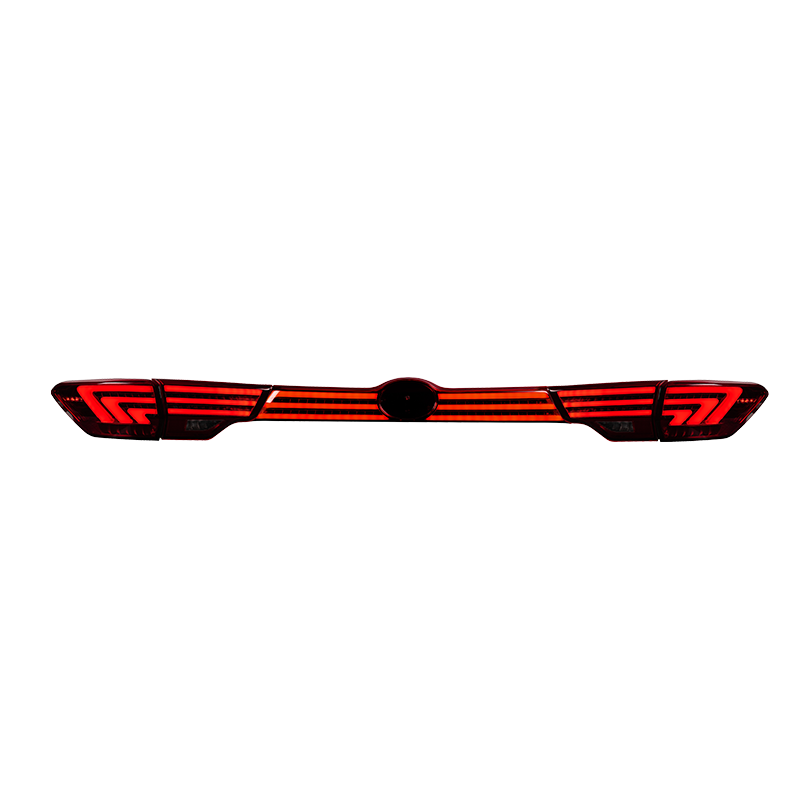
The automotive aftermarket is increasingly focused on lighting products that combine vehicle styling with practical signaling functions. Among these products, Led Tail Lights Sequential designs have attracted attention from vehicle owners, lighting distributors, accessory brands, and automotive parts buyers.
Sequential lighting creates a progressive turn-signal effect in which illuminated LED segments activate in a specific direction. Compared with conventional tail lights that illuminate as a single block, this design gives the rear lighting a more dynamic visual sequence and can make the intended turn direction easier to recognize.
For B2B buyers, however, the appeal goes beyond appearance. Product compatibility, LED configuration, housing design, installation requirements, compliance considerations, production consistency, and customization options all affect whether a sequential tail light is suitable for the aftermarket.
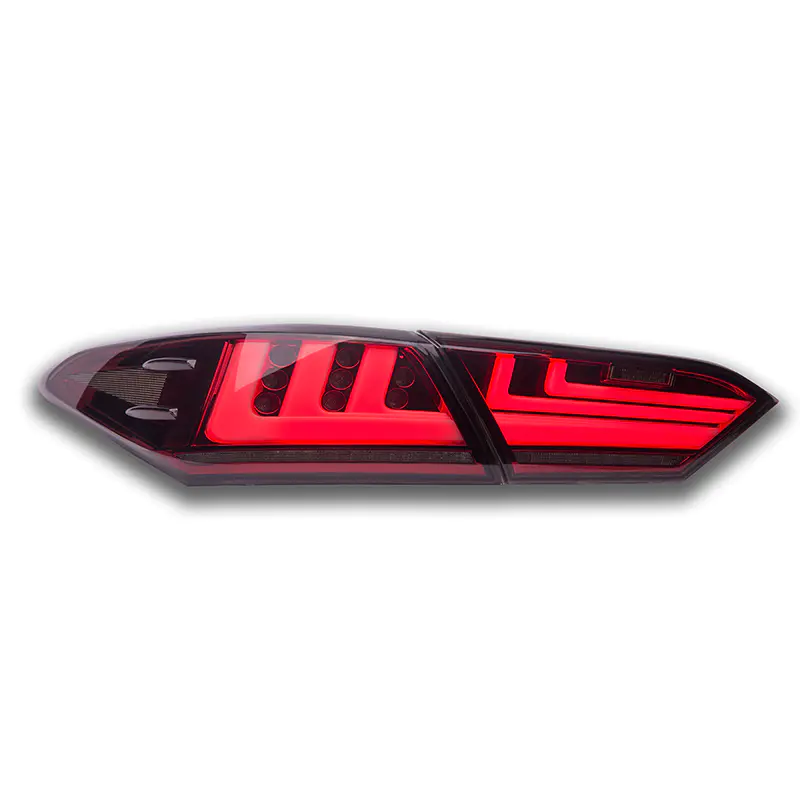
A sequential LED tail light uses multiple LED segments or lighting zones that illuminate in sequence when the turn signal is activated. For example, a left-side lamp may begin with the innermost segment and progressively illuminate toward the outside of the vehicle.
The sequence is controlled through an electronic circuit or integrated lighting controller. Depending on the product design, the same housing may also support other functions such as:
The exact functions depend on the vehicle application and product configuration.
LED technology is particularly suitable for this type of design because individual LEDs or LED groups can be controlled quickly. This allows manufacturers to divide the lamp into multiple sections without requiring the mechanical components traditionally associated with older lighting systems.
Several changes in the automotive aftermarket have contributed to interest in sequential lighting products. Vehicle owners increasingly look for lighting upgrades that make a noticeable visual difference without requiring major exterior modifications.
For distributors and aftermarket brands, sequential tail lights can also create a product category with several possible configurations. Different vehicle models, lens designs, housing styles, LED arrangements, and lighting functions can be developed around the same basic concept.
| Market consideration | Why it matters to aftermarket buyers |
|---|---|
| Dynamic turn signal | Creates a recognizable directional lighting effect |
| LED technology | Supports compact and segmented lighting designs |
| Vehicle styling | Can change the visual character of the rear end |
| Model compatibility | Helps distributors target specific vehicle applications |
| Custom configurations | Allows different markets and brands to use tailored designs |
| Installation requirements | Influences the product's suitability for replacement or retrofit |
The result is a product that sits between functional replacement lighting and appearance-oriented vehicle customization.
The most noticeable characteristic of a sequential tail light is its movement.
A conventional turn signal generally illuminates the relevant lamp area at once. A sequential design divides the signal into multiple stages. When activated, these stages light progressively, producing a directional visual movement.
This effect has become familiar in modern vehicle lighting, particularly on vehicles using segmented LED lamps. As a result, aftermarket products can use similar lighting concepts to give older vehicles or modified vehicles a more contemporary appearance.
For buyers, the design needs to be carefully evaluated. A sequence that is too fast may be difficult to distinguish, while one that is too slow can appear disconnected from normal signaling behavior. Segment brightness and spacing also influence how clearly the effect is perceived.
This is one reason that LED layout and controller design matter as much as the external lens.
LEDs give manufacturers considerable freedom when developing aftermarket tail lights.
Individual light sources can be arranged into lines, strips, dots, arcs, rectangles, or other segmented patterns. The external lens can then be designed around the desired appearance and vehicle installation area.
This flexibility is useful for B2B buyers because different markets may have different preferences. One distributor may focus on subtle OEM-style replacements, while another may sell customized lighting products for modified vehicles.
A manufacturer can potentially adjust:
These variables make sequential tail lights suitable for product development programs where buyers need more than an off-the-shelf lamp.
The popularity of a lighting style does not eliminate the need for precise vehicle fitment.
Tail lights are designed around the physical dimensions and electrical characteristics of a specific vehicle or vehicle platform. Even a visually attractive product can create installation problems if the housing dimensions, mounting points, connector, or wiring configuration do not correspond with the target application.
For aftermarket distributors, product specifications should therefore clearly identify the intended vehicle application.
Important compatibility information may include:
For custom projects, suppliers may also need drawings, original lamp samples, 3D data, or vehicle-specific measurements before production begins.
Lens appearance is another factor contributing to aftermarket interest.
Clear lenses provide a relatively neutral appearance and can work with different LED arrangements. Smoked lenses create a darker visual effect and are often selected for modified or sport-oriented vehicle styling.
However, lens appearance should not be considered separately from light output. A darker lens changes how the lamp looks when it is not illuminated, but the completed assembly still needs to provide appropriate visibility for its intended function.
For B2B buyers, the relevant question is not simply which lens looks attractive. It is whether the lens, LED source, reflector or light guide, and housing have been engineered together for the intended lighting performance.
Automotive lighting is a competitive aftermarket category. Distributors often need product characteristics that allow one product line to be distinguished from another.
Sequential activation provides one possible differentiation point.
A basic replacement tail light may focus primarily on restoring the original lighting function. A sequential LED version can combine replacement functionality with a visible design feature.
This can be particularly useful for:
For these businesses, the product itself is only part of the purchasing decision. Consistent manufacturing, packaging, documentation, customization capability, and stable supply can also affect long-term sourcing.
A sequential tail light may look straightforward from the outside, but its internal construction can involve multiple components and production stages.
Buyers should request clear technical information before placing larger orders.
| Specification | Questions buyers should ask |
|---|---|
| LED configuration | How many LED segments are used? |
| Electrical system | What operating voltage and current are required? |
| Functions | Does the lamp support tail, brake, turn, or reverse functions? |
| Sequential control | Is the sequence integrated into the lamp or supplied separately? |
| Housing | What materials and construction are used? |
| Lens | Is the lens clear, smoked, tinted, or customized? |
| Fitment | Which vehicle models and years are supported? |
| Installation | Is the product plug-and-play or does wiring modification apply? |
| Testing | What functional and environmental tests are performed? |
| Customization | Can LED layout, lens, housing, or connector be modified? |
The answers will vary by supplier and product. Buyers should avoid assuming that two products with similar external appearances have identical specifications.
Lighting products are exposed to vibration, temperature changes, moisture, road debris, and repeated electrical operation. This makes manufacturing consistency important.
For sequential LED tail lights, quality control can involve more than checking whether the lamp turns on.
Manufacturers may inspect LED placement, soldering, wiring, controller operation, sealing, lens assembly, housing fit, and final lighting performance. Depending on the product and target market, additional environmental or electrical testing may also be appropriate.
Sealing is particularly relevant because tail lamps are mounted on the exterior of vehicles. Poor assembly can allow moisture to enter the housing, potentially affecting electrical components and optical performance.
For B2B sourcing, buyers should ask suppliers about inspection procedures and available test documentation instead of relying only on product photographs.
Private-label and customized automotive lighting programs provide another reason for the growth of interest in sequential designs.
A buyer may want to retain a familiar housing shape while changing the LED pattern. Another may require a different lens appearance, connector, mounting structure, or branding arrangement.
Customization can cover different stages of the product:
For an aftermarket brand, working with a manufacturer capable of handling these stages can simplify product development.
Lighting regulations vary by market and vehicle application. Requirements can relate to lamp color, brightness, positioning, visibility, signaling behavior, installation, and other technical characteristics.
This means a design that looks suitable for one market should not automatically be assumed to satisfy requirements in another.
B2B buyers should identify their target sales region before finalizing product specifications. Where applicable, they should also ask the supplier what testing, certification, or compliance documentation is available for the specific product.
This is especially important for businesses importing automotive lighting products into regulated markets. Product specifications and documentation should be reviewed before production and shipment, not after the goods have reached the destination market.
The interest in sequential LED lighting reflects a broader direction in automotive aftermarket products: buyers increasingly expect functional components to contribute to vehicle styling as well.
Lighting is particularly suited to this trend because relatively small changes in LED arrangement or lens design can create a noticeable difference in appearance.
Future product development may continue to focus on segmented light sources, customized lighting signatures, improved electronic control, and vehicle-specific designs. At the same time, practical considerations such as fitment, durability, electrical compatibility, and regulatory requirements will remain important.
For wholesalers and automotive lighting brands, the opportunity is not simply to sell a lamp with a moving turn signal. The larger opportunity is to develop products around specific vehicle applications, customer requirements, and market conditions.
Before selecting a sequential LED tail light supplier, buyers can use a simple checklist:
These details can help buyers distinguish between a product that simply looks suitable in a catalog and one that fits the requirements of a specific aftermarket program.
The growing interest in Led Tail Lights Sequential products is connected to several factors at once: LED technology, vehicle customization, dynamic signaling, model-specific aftermarket demand, and the need for visual differentiation.
For consumers, the sequential effect may be the most visible feature. For B2B buyers, the evaluation is broader. Fitment, electrical design, housing construction, sealing, manufacturing consistency, customization, documentation, and target-market requirements all need to be considered together.
As automotive lighting continues to combine functional signaling with exterior styling, sequential LED tail lights provide manufacturers and aftermarket distributors with another format for developing vehicle-specific lighting products. The strongest sourcing decisions will come from looking beyond the lighting effect itself and evaluating the complete product specification, manufacturing process, and intended application.
We are a modern headlight manufacturer that integrates R&D, design, production and sales. We mainly produce headlamps, taillights, daytime running lights and other automotive lighting products.
Add: No.3 Shiyang Road, Ningxi Town, Huangyan District, Taizhou City, Zhejiang Province, China
Tel: +86-13105675552 / +86-15606586299
Fax: +86-576-89161556
E-mail: [email protected]
Copyright © Taizhou Baozhiwei Vehicle Industry Co.,Ltd. All Rights Reserved.

 English
 русский
 Español