Call us

Smoked LED Tail Lights vs. Clear Tail Lights: What Should Buyers Consider?
When sourcing custom automotive lighting, picking between smoked LED tail lights and standard clear lenses is a lot more than just choosing a style. Sure, the lens look completely changes a vehicle's character, but the internal optical design, LED placement, weather sealing, and road visibility are what actually matter on the shop floor.
This decision is a huge deal for parts distributors, wholesalers, accessory brands, and private-label upgrade shops. A lamp might look amazing in a catalog rendering, but it turns into a costly bottleneck if the fitment gaps are uneven, the lens tinting looks patchy, water sneaks inside the shell, or the brake light output fails local highway safety rules.
For bulk buyers, you have to run both versions through the exact same field testing. A cool look is great, but physical compatibility, rugged build quality, true night visibility, and strict factory quality control need to be ironed out before you sign off on a volume order.
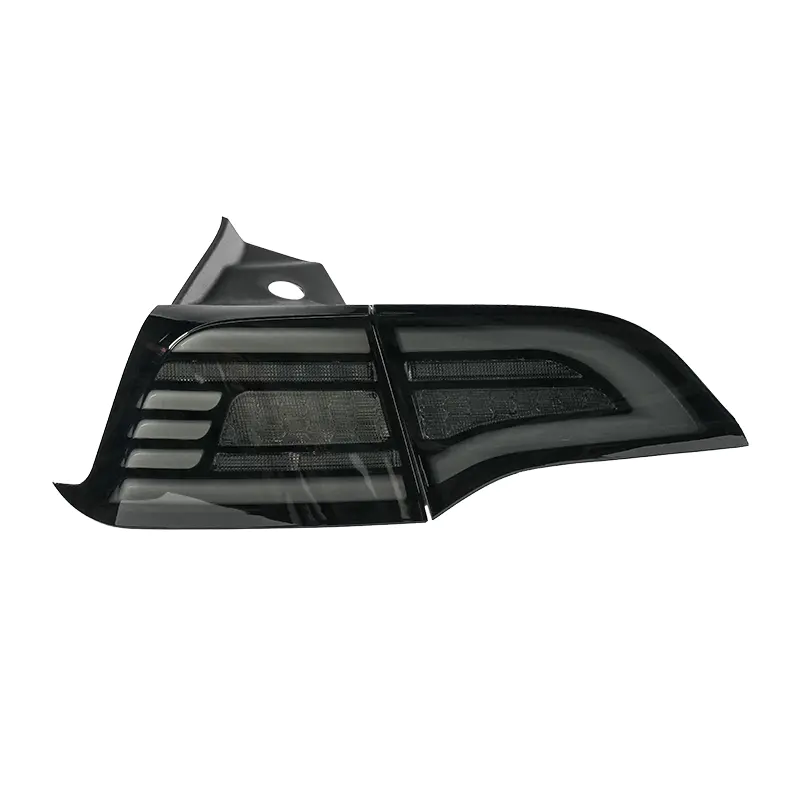
What Is the Real Difference Here?
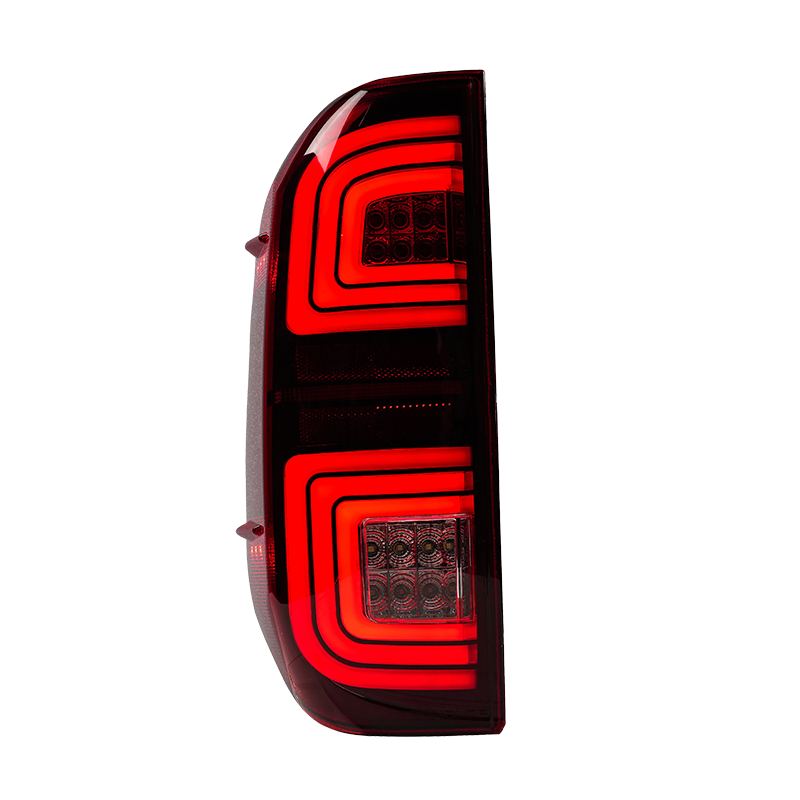
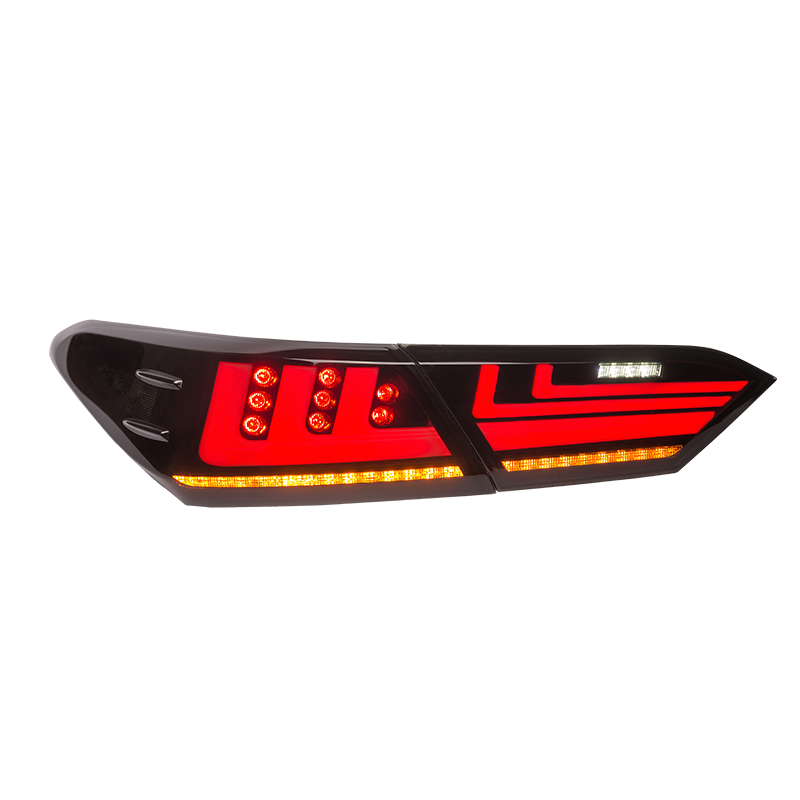
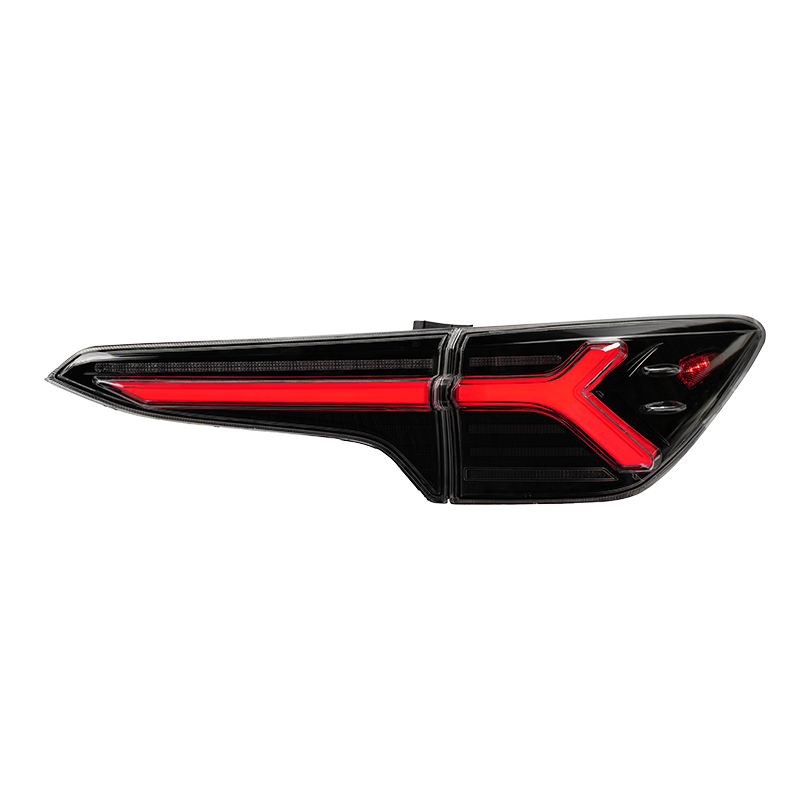
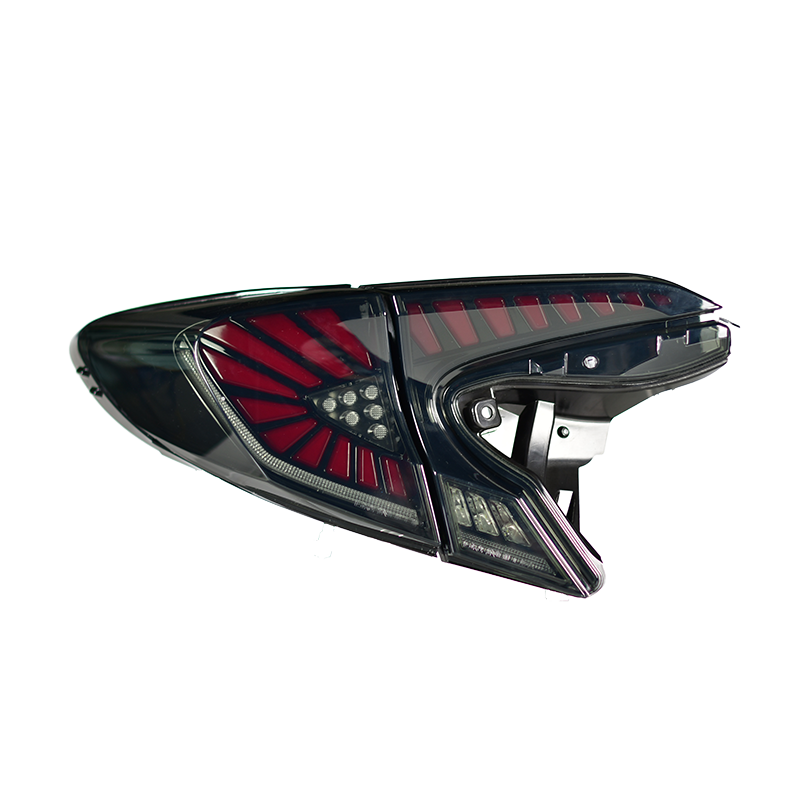
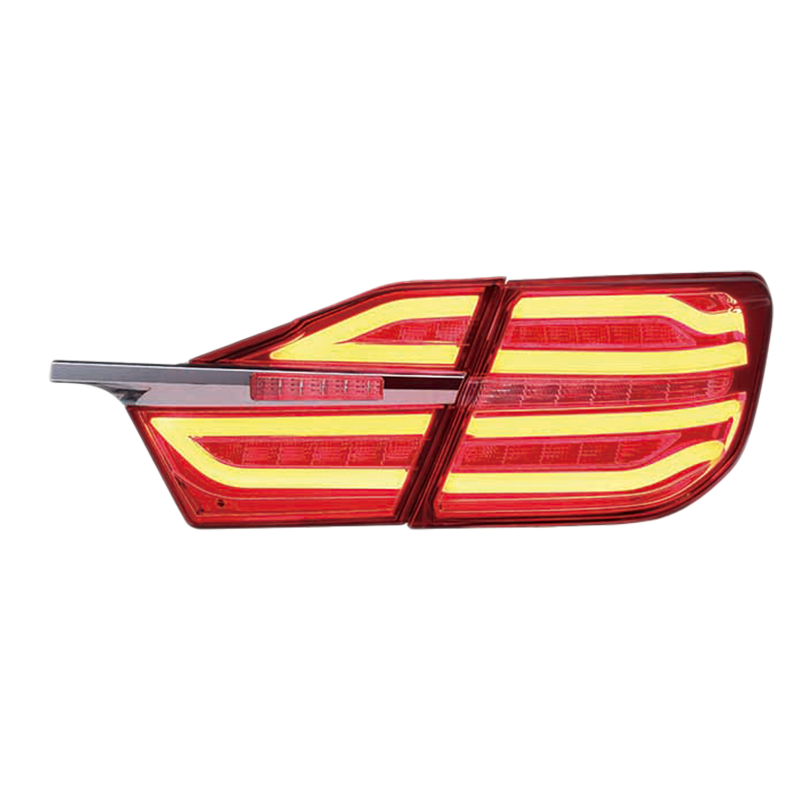
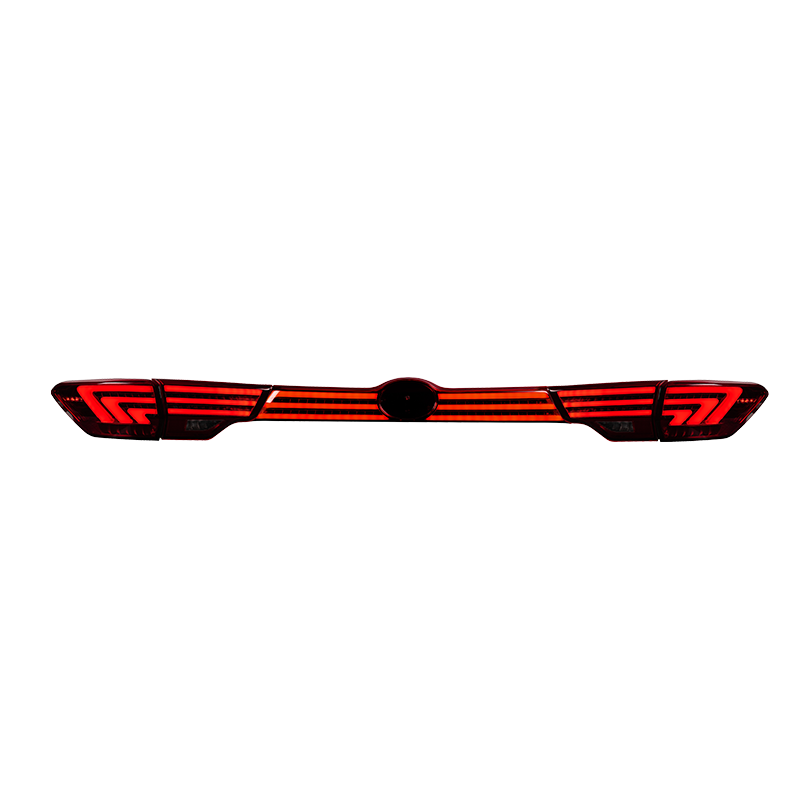
It mostly comes down to how the factory treats the outer plastic shell. Clear tail lights run a totally transparent outer lens so you can see the bright internal details, while smoked setups use a dark tint over the lens or the interior bezels to capture that stealth look.
This completely flips how a car looks from behind, especially when contrasted against different paint jobs.
|
Feature |
Smoked LED Tail Lights |
Clear LED Tail Lights |
|
Lens appearance |
Dark, tinted, or blacked-out style |
Clear, transparent, razor-sharp look |
|
General styling |
Custom, tuner, aggressive look |
Clean, factory OEM-plus update |
|
Diode visibility |
Depends heavily on tint depth |
Super bright, easy to see internal chips |
|
Vehicle matching |
Best for modified or sports setups |
Blends easily with any factory ride |
|
Sourcing focus |
Tint evenness, light bleed, smooth finish |
Shell clarity, zero scuffs, max lumens |
Keep in mind that the final look depends on the plastic resin blend, the tinting method, internal reflectors, and diode spacing. You can source two separate brands that both claim to be "smoked," and they might look completely different when you open the boxes on your dock.
Light Performance Always Comes Before Looks
A dark lens does not automatically mean the light output will be terrible, just like a clear lens doesn't guarantee a bright beam. It all comes down to how the factory engineered the optics inside.
The LED chips, reflectors, circuit boards, and outer lenses all have to work as a team. When testing a smoked sample, make sure the factory didn't just slap a dark coat on a standard design. They need to use punchier LEDs or tighter optics to make up for the tint so the lamp still does its job safely.
You need to audit all core functions under real shop conditions:
For bulk purchasing, never trust a photoshopped promo shot. Get a physical sample on a test bench and check it with your own eyes.
Vehicle Compatibility Is Where Most Money Gets Lost
Tail lights are usually hyper-specific. Even if two lamps look identical from the front, their mounting brackets, wire pins, plug layouts, and back-housing shapes can be totally different.
Before you lock in an order for smoked or clear inventory, map out your exact vehicle applications.
Keep these details on your master checklist:
|
Fitment Detail |
What to Check |
|
Car make and model |
Make sure the lamp matches the exact chassis style |
|
Exact model years |
Check for mid-cycle facelifts or regional trim updates |
|
Side position |
Double-check your Left (Driver) vs. Right (Passenger) split |
|
Back housing shape |
Stamped metal panels shift, so compare with an OEM unit |
|
Alignment pins |
Check if the screw points and locator tabs line up |
|
Wiring harness plug |
Make sure the plug socket matches the truck harness pins |
|
Overall dimensions |
Check if the light sits flush or leaves a gap on the bumper |
If you are a distributor, make sure this application data is 100% accurate on your website and retail boxes. A single typo with the vehicle years will trigger a massive wave of customer returns, even if the lights themselves work beautifully.
Watch Out for Uneven Tint and Surface Scratches
For smoked styles, the exterior finish is everything. Grab your samples and inspect the plastic closely under a good light. Look for patchy tinting, swirl marks, hazy patches, color shifts between the left and right pieces, or rough flashing along the mold lines.
This is a massive point for high-volume purchasing. A single approval sample sent to your office might look flawless, but when the factory pumps out 500 sets, you might start seeing major tint variations between separate lots.
Clear lenses need a close look too. Check for hair-line scratches, wavy plastic distortion, air bubbles trapped in the injection mold, or cloudy spots.
When you set your quality control rules with the factory, use your approved bench sample as the absolute baseline for lens clarity, color depth, housing finish, and branding marks.
Tear Into the Sealing and Rear Housing Build
The pretty lens on the front is only half the story. You need to flip the lamp over and inspect the back housing, the sonic welds, the glue channels, the mounting tabs, and where the wires come out.
Water leaking inside a tail light doesn't just look sloppy and fog up the lens—it corrodes the circuit board and shorts out the LEDs. You need to know exactly how the factory seals these units up before you buy.
When you are holding a sample, audit these exact spots:
A clean outer lens can hide a rushed assembly job on the back. Ask the supplier about their pressure testing or water-dunk tests on the line so you know how they handle QA.
LED Layout Dictates the Whole Look
The exact same smoked lens will look completely different depending on the style of the LEDs behind it.
Some designs use a basic grid of individual dots, while others use diffuse light bars, neon-style glowing tubes, or complex animated clusters. The layout changes the entire style of the car and how recognizable the turn signals are from a distance.
If you are picking styles for an aftermarket brand or catalog, that lighting signature is your main selling point.
When you test samples, check them in both states:
A light that looks super mean when the car is parked might look cheap or messy once you turn the key, so test both scenarios thoroughly.
Position Your Smoked Lights Correctly in Your Market
Smoked LED lights are a premium upgrade for car enthusiasts who want a custom look. But don't go assuming that a dark-tinted light will sell well in every market or for every type of vehicle.
The look is highly dependent on the vehicle's paint, wheel style, and body kit. A blacked-out light looks incredible on a white or grey truck but can look totally lost on a classic luxury sedan.
Make sure your product copy tells the retail buyer exactly what kind of finish they are getting—whether it’s a light smoke, dark smoke, or full gloss black. Don't use lazy descriptions that lead buyers to guess.
Also, if you are selling into highly regulated zones (like Europe or strict US states), double-check the legal visibility requirements and make sure the factory can back it up with the right lab certs before you wire the funds.
Clear Lights Are Still a Mass-Market Money Maker
Don't sleep on clear tail lights just because smoked styles get all the attention on social media.
Clear or clear-lens/red-internal setups are a massive market for drivers who want a clean, crisp OEM-plus update without making their car look heavily modified. It shows off all the internal geometric detailing of the LED light bars beautifully.
From a sourcing standpoint, you run them through the exact same gauntlet: fitment checks, water testing, harness wiring, LED burn-in, and compliance paperwork. The choice between smoked and clear really just depends on your current product catalog gap and what your retail database is asking for.
|
Sourcing Filter |
Smoked Style |
Clear Style |
|
Dark exterior styling |
Great fit |
Won't work |
|
Internal component detail |
Lower visibility when off |
Highly visible geometry |
|
Custom aesthetic |
Highly popular look |
Classic upgrade look |
|
Vehicle paint flexibility |
Can clash with some tones |
Matches almost anything |
|
Key inspection challenge |
Tint consistency and night brightness |
Scratches and lens cloudiness |
Make Sure the Electronics Won't Trigger Dashboard Errors
Tail lights aren't just plastic housings anymore; they are part of a vehicle's complex electrical network. You need to make sure the voltage draw, plug configurations, and internal resistance match the vehicle's computer.
Modern cars track the resistance on the lighting lines to tell the driver if a bulb burns out. Because LEDs draw way less power than old halogen bulbs, cheap aftermarket lights can cause "hyper-flashing" turn signals or throw warning codes on the dashboard.
The factory needs to tell you if their lights are completely plug-and-play with built-in resistors, or if your customers will need to wire in extra decoder boxes.
Having these electrical specs locked down in writing saves your customer support team from getting crushed by technical complaints right after launch.
Put Multiple Samples Through the Ringer
A single sample can prove a factory knows how to make a good light, but it doesn't tell you how consistent their daily production runs are.
If your budget allows, ask for 3 to 5 finished units from a live lot. Line them up on a workbench and compare the plastic welds, plug tightness, tint depth, branding print placement, and lens clarity from one piece to the next.
Tiny variations in plastic cooling times can mess up how the lens clips onto the back housing, creating small gaps where water can sneak in.
Ask the supplier to explain their factory floor steps—how they audit incoming plastic resins, how they check the circuit board solders, and how they test the finished assemblies. For large capital purchases, it is always a smart play to hire an independent QC inspector to run an AQL test at the factory loading dock before the container gets sealed up.
Settle the Branding and Logos Early
If you are building an automotive accessory brand, consistent finish and logo execution are what separate you from cheap generic sellers.
You need to audit logo centering, laser-etch depth, pad printing durability, retail box thickness, and the foam packing layout against your signed benchmark piece.
For example, a logo print might look perfectly centered on a PDF mockup, but if the factory's printing jig has a little play in it, the logo can start drifting or slanting on a long production run.
Keep a signed reference sample safely locked away in your inspection room, and attach your vector files and Pantone specs directly to the contract. That way, both your team and the factory floor have a clear rulebook for the final pre-shipment sign-off.
Sourcing Questions to Throw at Your Factory Rep
When you are negotiating with an auto lighting vendor, get past basic pricing and minimum quantities.
Ask them these direct questions:
A Practical Buying Guide for Automotive Sourcing
Before you sign off on a production run for a new tail light model, put your bench samples through this straightforward floor scorecard:
|
Inspection Area |
Sample Check |
|
Fitment |
Sits correctly in the original mounting position without gaps |
|
Connector |
Matches the intended vehicle wiring harness plug and pins |
|
Lens |
No obvious defects, cloudy spots, or uneven tint finish |
|
LEDs |
All functions operate correctly across brake, tail, and signal lines |
|
Housing |
No visible cracks, structural issues, or weak mounting tabs |
|
Sealing |
Joints and sonic welding areas appear consistent and fully filled |
|
Mounting |
Tabs, fasteners, and alignment pins fit correctly |
|
Appearance |
Color depth and surface texture match the approved product sample |
Turn these points straight into your formal purchasing agreement. It gives your quality control team a clear set of teeth to enforce during inspections and stops the factory from shipping sloppy work.
The Bottom Line
Picking between a smoked LED setup and a clear tail light needs to start with a clear view of your customer database and your target vehicle application. Sizing, sealing choices, wiring layouts, internal optics, safety paperwork, shipping box strength, and batch tolerance limits all need your attention before you wire over bulk capital.
The safest play is simple: pick your vehicle fitment, lock down the technical drawings, run physical samples through real-world bench tests, audit the back-housing seals, check the regulatory logs, and sign off on a physical benchmark piece before opening a long-term supply line.
For factories, handing over clear specs, clean samples, and honest tech feedback makes them easy to work with. For your buying team, running this structured audit ensures that the lights landing at your warehouse are fully ready for the road and won't trigger customer returns.
We are a modern headlight manufacturer that integrates R&D, design, production and sales. We mainly produce headlamps, taillights, daytime running lights and other automotive lighting products.
Add: No.3 Shiyang Road, Ningxi Town, Huangyan District, Taizhou City, Zhejiang Province, China
Tel: +86-13105675552 / +86-15606586299
Fax: +86-576-89161556
E-mail: [email protected]
Copyright © Taizhou Baozhiwei Vehicle Industry Co.,Ltd. All Rights Reserved.

 English
 русский
 Español