Call us

A truck owner spends a Saturday afternoon installing new taillights, steps back to admire the darker, sleeker look, and then realizes at dusk that a follower behind him seems to be reacting to his brake lights half a second slower than usual. That small delay is the entire tension behind smoke lighting in one moment — it looks sharp, but it's still doing a safety job every time the vehicle is on the road.
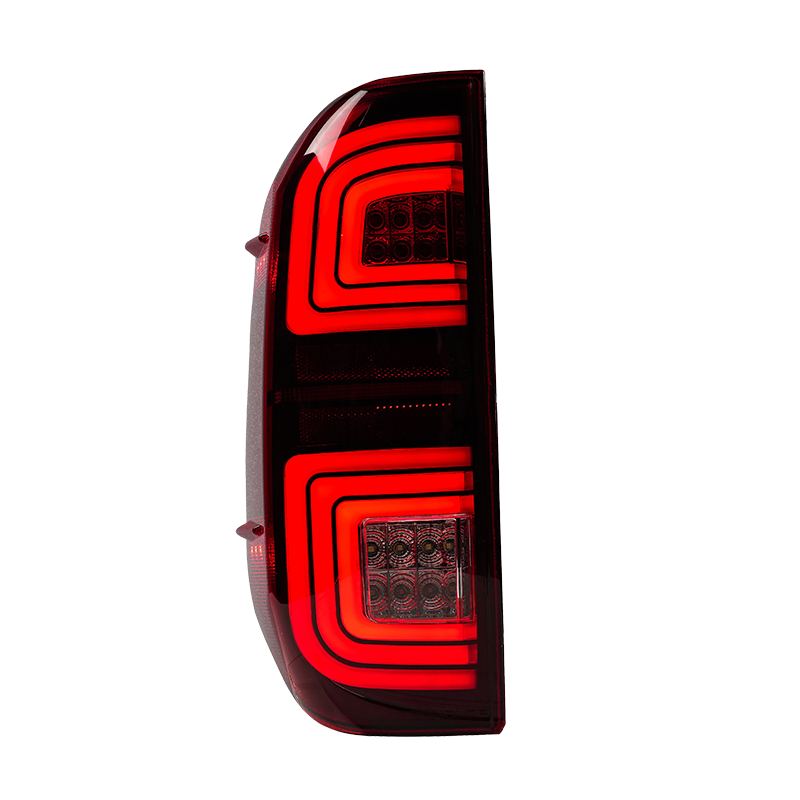
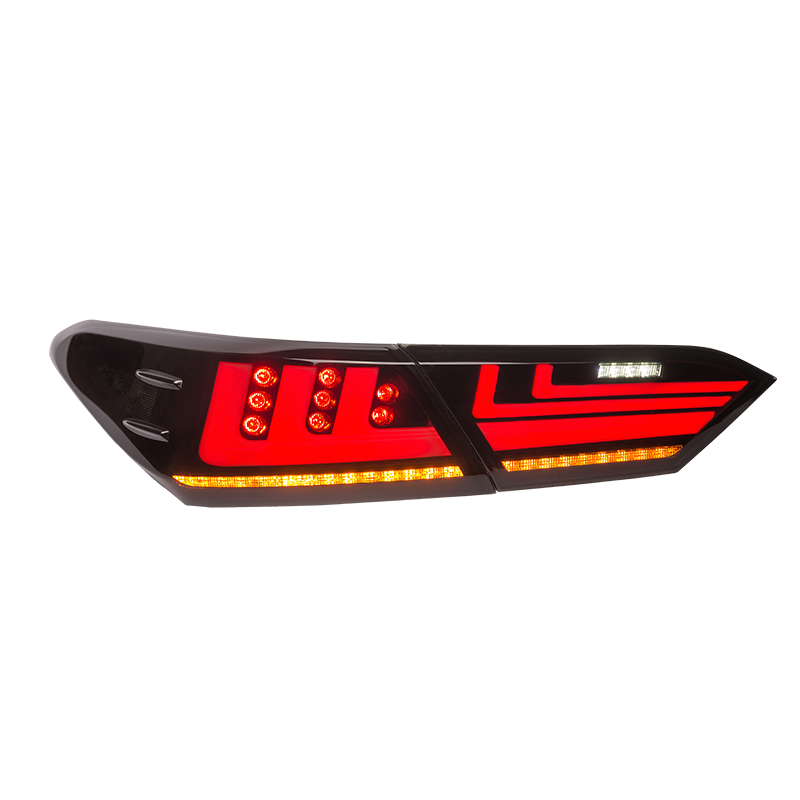
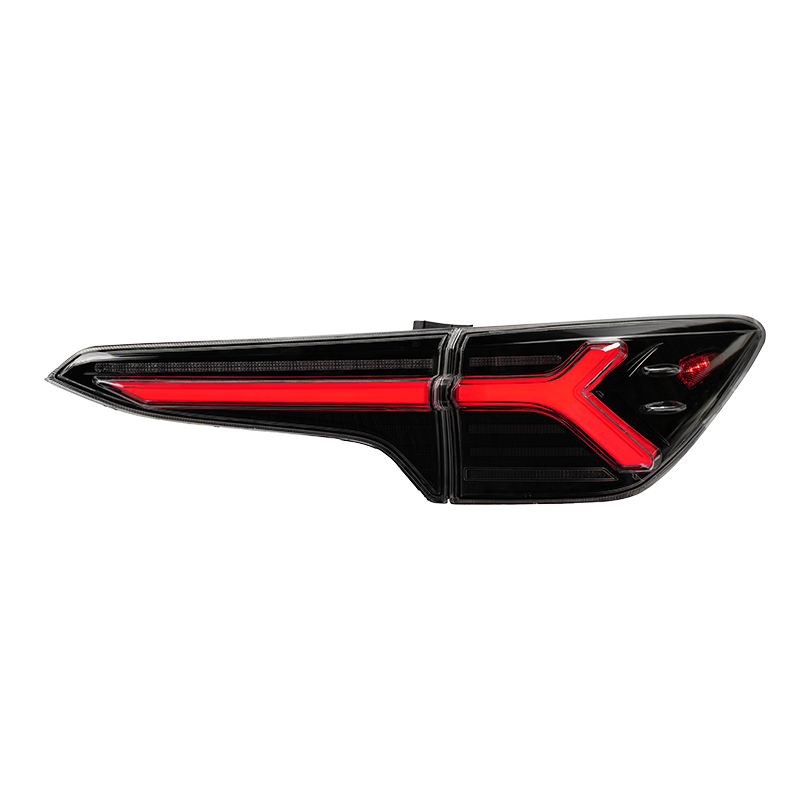
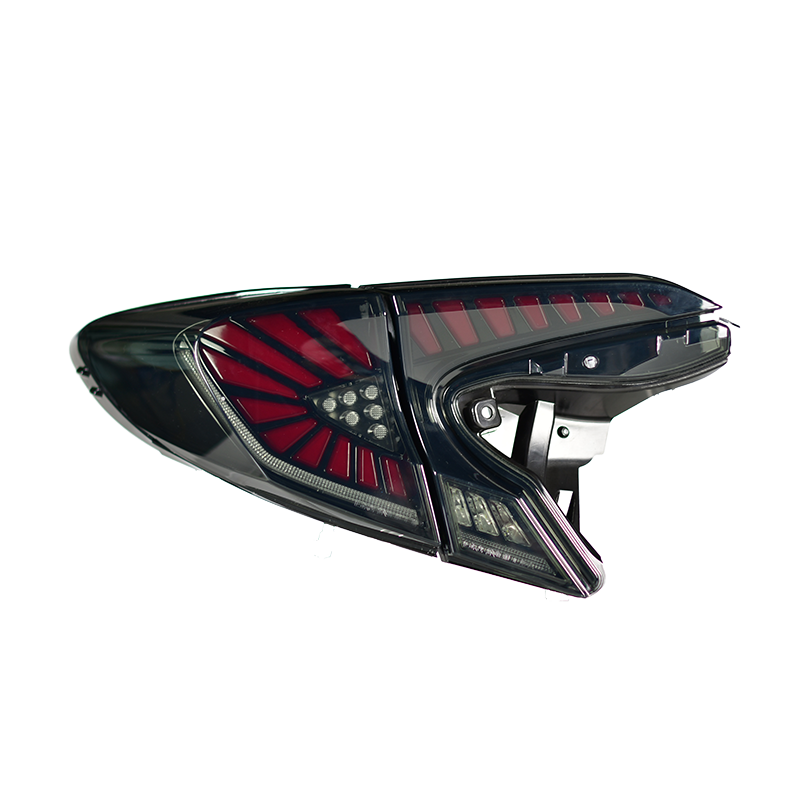
The term "smoke" refers to a tinted, darker lens covering rather than any change to the bulb or the light source itself. Instead of a clear, bright lens that shows the bulb clearly through the glass, a smoke lens filters that brightness down into something more subdued and shadowed.
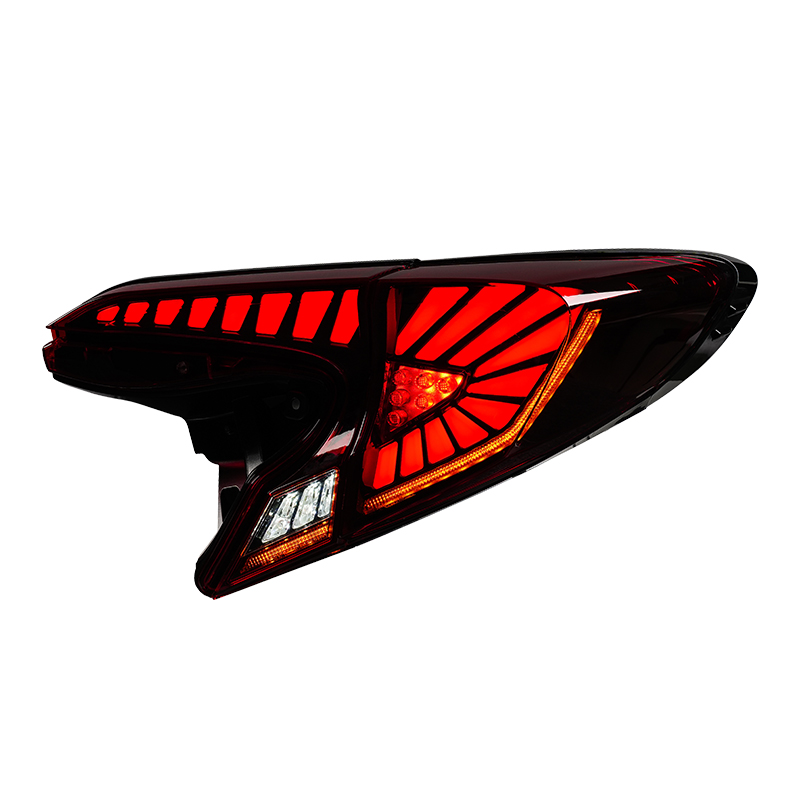
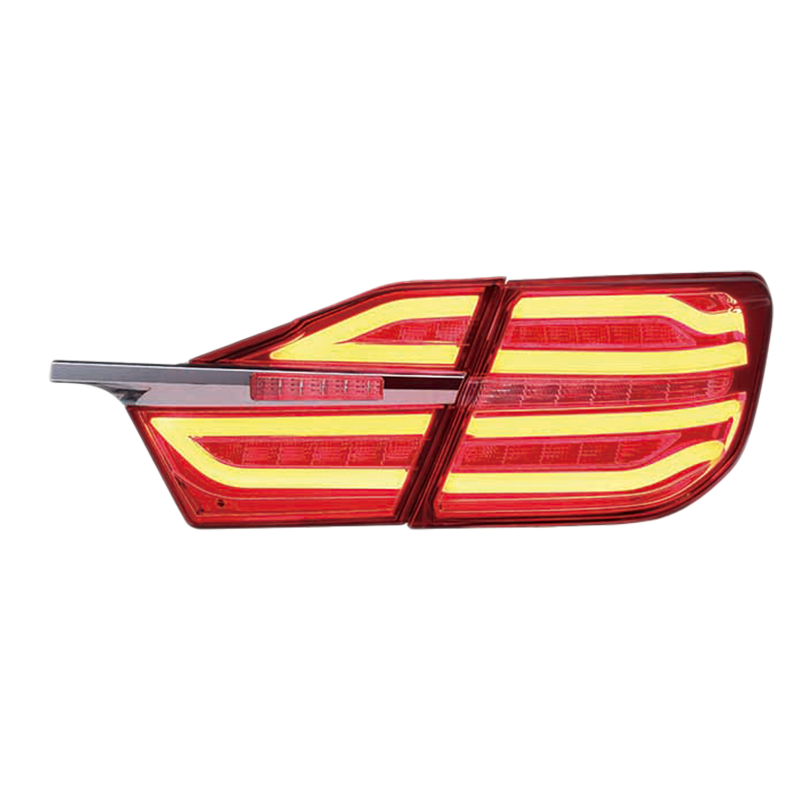
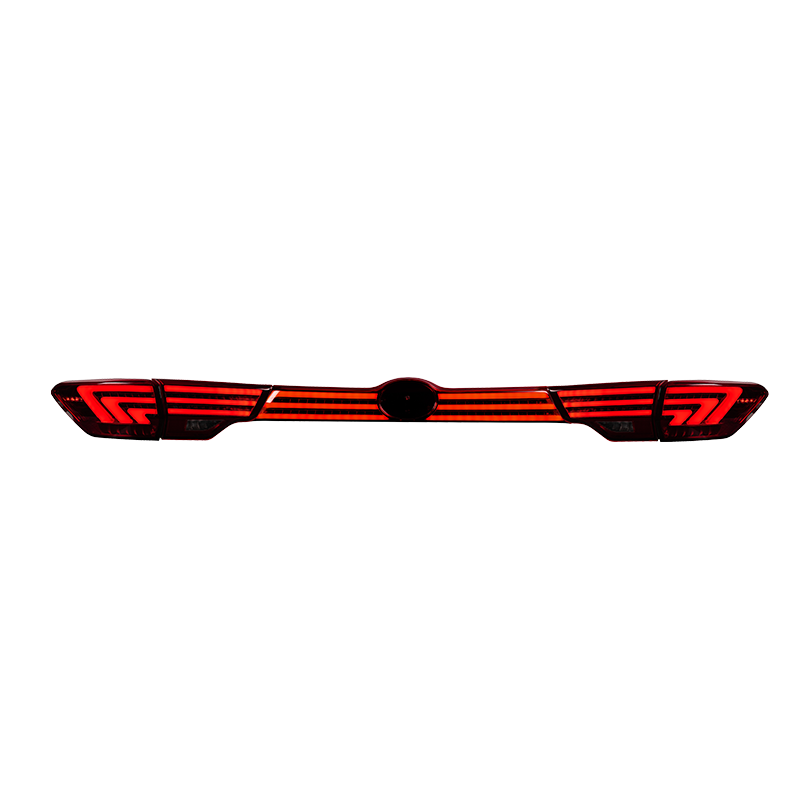
Headlights sit at the front and handle illuminating the road ahead. Taillights sit at the rear and carry signaling duties — brake lights, turn signals, reverse indicators — all wrapped in that same darker tint. Some versions keep things simple with just the tinted lens, while others pair the tint with reshaped housings or updated internal designs for a more distinct look overall.
The underlying goal across all of them stays the same: change how the vehicle looks without compromising what the lights are actually there to do.
Trucks and SUVs tend to have larger, boxier body lines compared to sedans, and that shape lends itself well to bold exterior choices. A driver who wants their vehicle to stand out doesn't always want to repaint the whole thing or add aftermarket body panels — sometimes changing the lighting is enough to shift the entire visual character.
| Reason | Description |
|---|---|
| Visual customization | Gives the vehicle a darker, more personalized look |
| Exterior coordination | Pairs naturally with the bold lines of truck and SUV designs |
| Simple upgrade | Changes the look without major structural modification |
| Modern appearance | Adds a cleaner, more current feel to an older design |
A guy who's owned the same pickup for eight years and wants it to feel a little more current again often reaches for a lighting swap before he considers anything more involved, mostly because it's one of the more visible changes for a relatively contained project.
Lighting sits right at eye level on most vehicles, which means it draws attention whether someone's looking for it or not. A clear lens against a dark-colored body can sometimes look almost too plain, while a tinted lens against that same dark body tends to blend and create a more cohesive, intentional appearance.
The effect isn't identical across every vehicle. A white or light-colored SUV with smoked lights creates a sharper visual contrast than a black one would, since the tint stands out more clearly against a lighter background. Wheels, tinted windows, and other trim choices all factor into how the final look reads, too — smoked lighting rarely acts alone in shaping a vehicle's overall style.
None of that visual payoff matters much, though, if the change comes at the cost of actual visibility. A driver navigating an unfamiliar road at night depends on headlights performing exactly as they should, regardless of how they look during the day.
Jumping straight to a purchase based on photos online skips over a few details that matter more once the lights are actually sitting in a driveway waiting to be installed.
Vehicle compatibility comes first. Trucks and SUVs vary quite a bit between makes and models, and a lighting product built for one specific model year won't necessarily fit another, even within the same general vehicle line.
Lighting function needs equal attention. A darker lens should still let light through clearly enough for other drivers to register a brake light or turn signal without hesitation, and for the driver themselves to see clearly at night.
Legal requirements vary by location, and lighting regulations aren't universal. Some areas have specific rules about how dark a taillight lens can be or what colors are permitted for certain signals, so checking local rules before installing anything avoids a surprise during a routine inspection or traffic stop.
Installation method differs by product. Some smoke lights are built as direct replacements that swap in easily, while others need extra wiring work or adjustment, which changes whether a DIY install makes sense or whether it's worth paying a shop to handle it.
The process itself follows a fairly predictable sequence, though the specifics shift depending on the vehicle and the exact product.
| Step | Purpose |
|---|---|
| Vehicle preparation | Sets up a safe, accessible working space |
| Remove original lights | Clears access to the mounting position |
| Install new lights | Secures the replacement unit in place |
| Test functions | Confirms everything's wired and working correctly |
Someone comfortable doing their own oil changes and basic maintenance can often handle this kind of install without much trouble, especially with a direct-replacement product. Someone less familiar with vehicle electrical systems might prefer paying a shop for an hour of labor rather than risking a loose connection or a signal that doesn't fire correctly.
Whoever does the work, running through every function afterward — turn signals, brake lights, hazards, reverse — before actually driving the vehicle catches problems while they're still easy to fix in a driveway instead of on the road.
Not automatically. A vehicle's design plays into how well smoke lighting fits, since some models come with lighting housings that limit which replacement products are actually compatible.
How the vehicle gets driven matters just as much. Someone doing a lot of driving on unlit rural roads or through regular fog and rain has more reason to prioritize lighting performance over how dark the tint looks, since visibility becomes a bigger factor in those conditions than it would for someone mostly driving well-lit city streets.
Personal taste plays a role too, obviously. Some drivers like the darker, more shadowed look; others prefer sticking with the clear, factory-standard appearance. Neither preference is wrong — smoke lighting is an option, not something every truck or SUV owner needs to consider.
| Lighting Style | Appearance | Common Preference |
|---|---|---|
| Clear lighting | Bright, traditional factory look | Owners who prefer keeping the original styling |
| Smoke lighting | Darker, tinted, customized appearance | Owners looking for a modified but understated look |
| Colored lighting | More attention-grabbing, distinct appearance | Specific builds or themed customization projects |
Smoke lighting tends to land in a middle spot — noticeable enough to change the vehicle's character, but not as dramatic or attention-pulling as a fully colored lighting setup might be. That balance is part of why it appeals to a fairly wide range of owners rather than just a narrow customization crowd.
Smoke lights need the same basic care as any other exterior component, maybe with slightly more attention paid to the lens surface itself. Dust, road grime, and bug residue build up on any lens over time, but on a tinted surface that buildup can be harder to spot until it's already affecting how clearly the light shows through.
Wiping the lens down during regular vehicle cleaning helps keep both appearance and actual light output where it should be. It's also worth glancing over the lighting system during routine maintenance checks — a dimmer-than-usual light or a flickering signal is worth addressing right away rather than waiting for it to fully fail.
Staying on top of small issues early keeps the lights performing properly and avoids turning a simple fix into a bigger repair down the line.
Interest in personalizing trucks and SUVs hasn't slowed down, and lighting remains one of the more approachable places to start, since it changes a vehicle's look noticeably without requiring the kind of investment or disruption that body modifications typically involve.
Smoke Headlights and Taillights fit into a broader pattern of owners wanting their vehicle to reflect their own taste while still functioning exactly as it should on the road. As lighting technology and design options continue developing, that balance between visual style and dependable function will likely stay at the center of how owners approach these upgrades — a darker look is worth pursuing, as long as it doesn't come at the cost of being seen clearly when it actually matters.
We are a modern headlight manufacturer that integrates R&D, design, production and sales. We mainly produce headlamps, taillights, daytime running lights and other automotive lighting products.
Add: No.3 Shiyang Road, Ningxi Town, Huangyan District, Taizhou City, Zhejiang Province, China
Tel: +86-13105675552 / +86-15606586299
Fax: +86-576-89161556
E-mail: [email protected]
Copyright © Taizhou Baozhiwei Vehicle Industry Co.,Ltd. All Rights Reserved.

 English
 русский
 Español