Call us

Pull into any car meet on a Saturday evening and you'll notice how much attention gathers around the lighting on parked cars — not the wheels, not always the paint, but the headlights and taillights catching the last bit of sunlight. Somewhere along the way, exterior modification stopped being just about big-ticket changes like body kits or engine work. Smaller, more personal touches started carrying weight too, and smoke headlights and taillights sit right in the middle of that shift.
They're not dramatic. They don't change a car's silhouette or require cutting into a fender. But they do something a lot of car owners care about — they change how a vehicle reads at first glance.
For a lot of drivers, a car stopped being purely a way to get from one place to another somewhere around the time they started noticing what other people were doing to theirs. A neighbor's tinted taillights, a coworker's aftermarket grille, a stranger's lowered suspension at a gas station — these small observations add up into interest, and interest turns into projects.
Common areas people focus on:
| Modification Area | What Draws Owners to It |
|---|---|
| Exterior styling | Makes the car look distinct from others on the road |
| Interior changes | Improves how the cabin feels during daily driving |
| Lighting swaps | Changes the car's character without major work |
| Performance tweaks | Alters how the car feels behind the wheel |
Lighting tends to get picked early in a build because it's visible from across a parking lot, and because it doesn't require the kind of mechanical knowledge that performance work does.
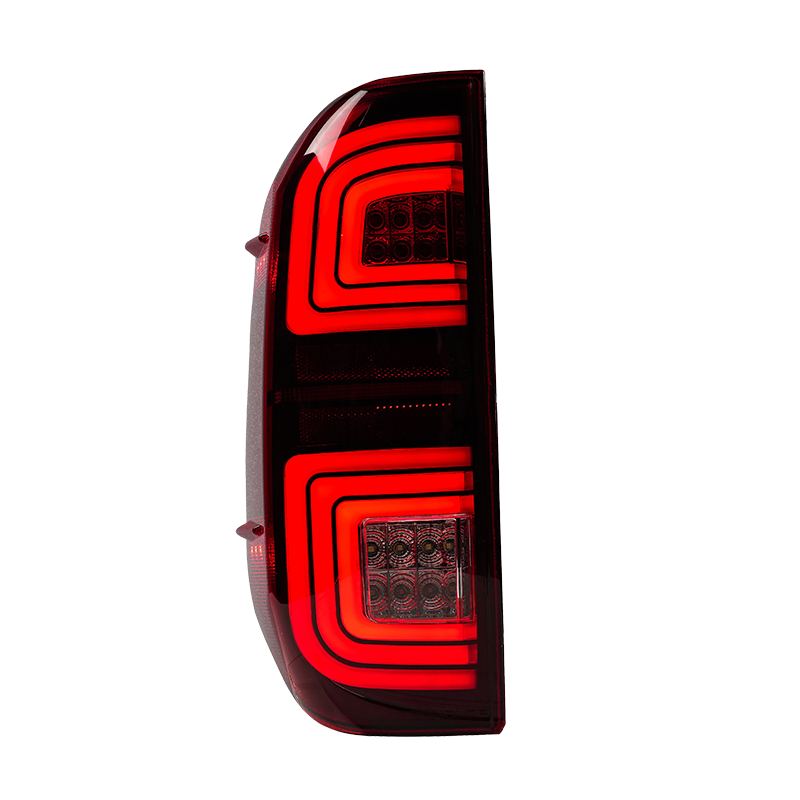
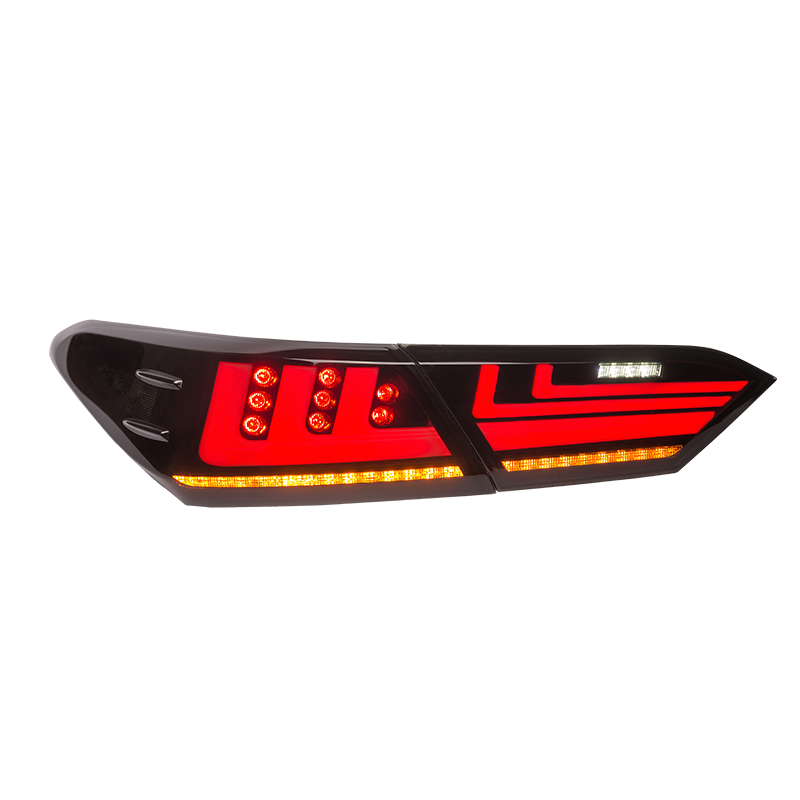
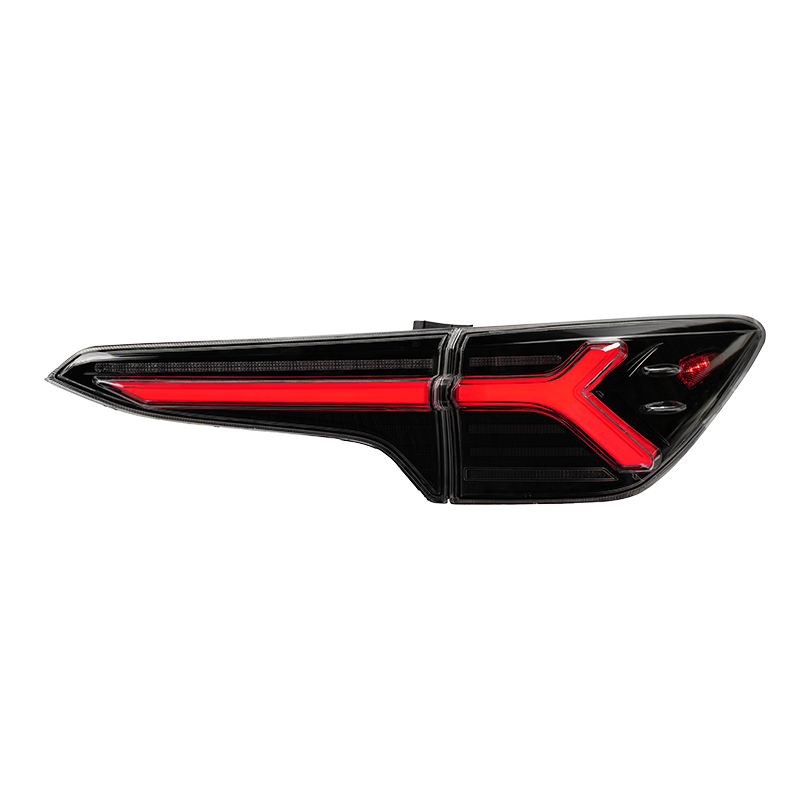
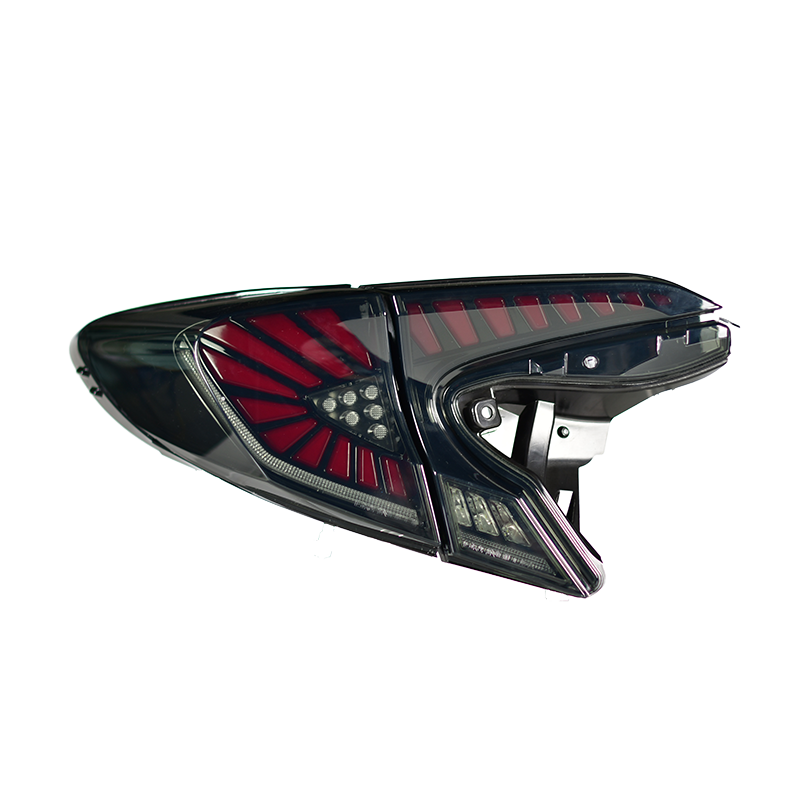
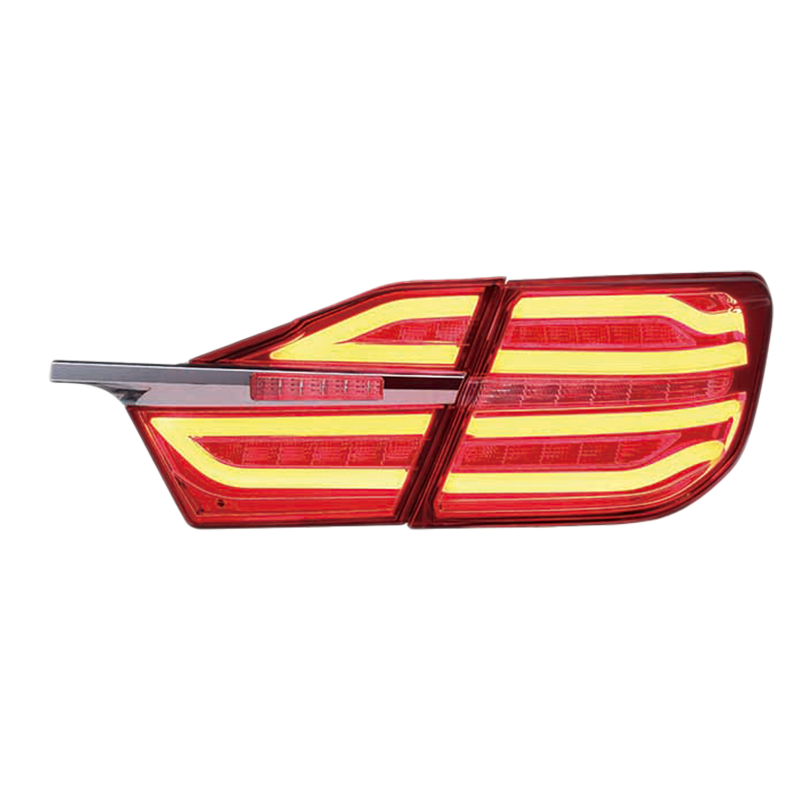
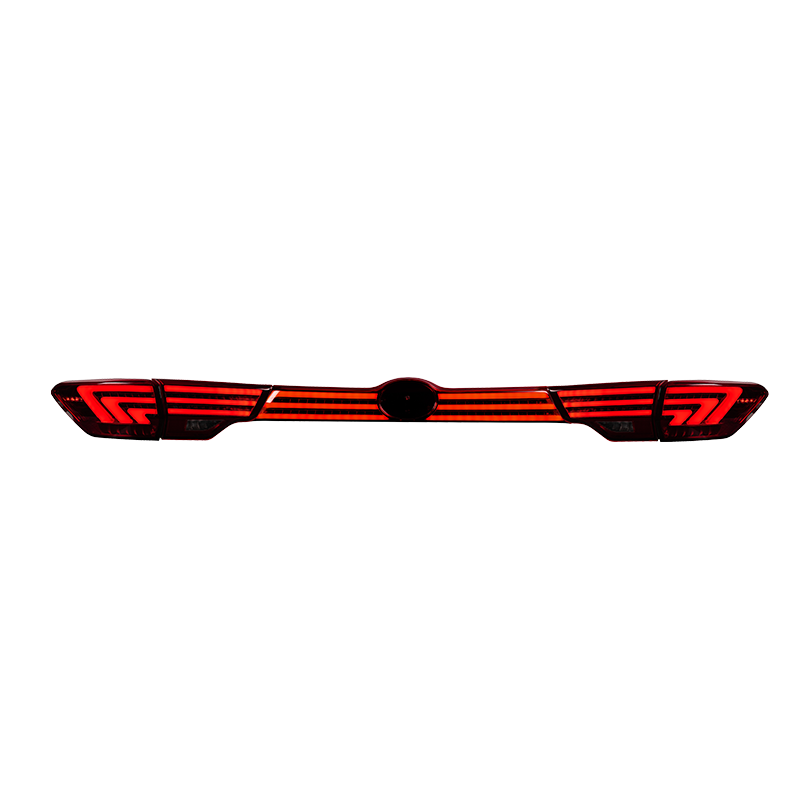
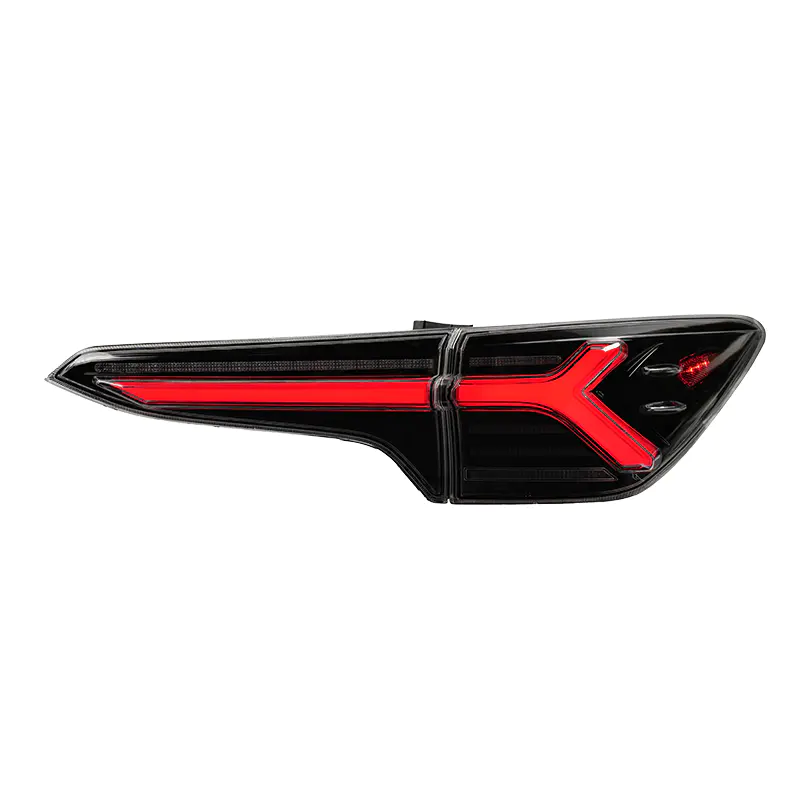
Smoke headlights and taillights use a tinted or darkened lens treatment instead of the clear, glossy finish that comes standard on most factory vehicles. Instead of a bright, reflective lens, the light passes through a shaded layer, giving the fixture a moodier, less glaring look while the bulb underneath still does its job.
A few things about the look tend to draw people in:
| Feature | What It Does Visually |
|---|---|
| Darkened lens tint | Gives the light a deeper, less bright appearance |
| Smooth lens finish | Reads as more finished than a stock clear lens |
| Fit with body lines | Blends into the rest of the car's design instead of standing apart |
| Subtle contrast | Makes the car noticeable without looking flashy |
It's a treatment that works on a sedan someone drives to work every day just as easily as it works on a weekend project car sitting in a garage.
Ask someone why they tinted their taillights and the answer is rarely about resale value. It's usually closer to "I wanted it to look like mine." That's the core of a lot of modification culture — taking something mass-produced and making a small change that feels intentional.
Smoke lighting tends to appeal to drivers who want:
None of these reasons are complicated, but they explain why this particular upgrade keeps showing up on driveways and in parking lots across different regions and different types of vehicles.
Walk around a car and the headlights and taillights are some of the first details anyone actually registers — more than wheel design, more than a subtle wrap, sometimes even more than a lowered stance. They sit at eye level from certain angles and catch light constantly, whether from the sun during the day or from streetlights at night.
That visibility is part of why lighting changes carry weight in modification circles:
| What Changes | Why Owners Notice |
|---|---|
| Front-end appearance | Headlights shape how a car "faces" traffic |
| Rear presence | Taillights affect how a car looks while braking or parked |
| Overall cohesion | Darker lighting can tie together other exterior choices |
| Refreshed look | Older vehicles can look updated without a repaint |
A car that's ten years old with faded clear lenses and a car with the same body but smoked lighting can read as two very different vehicles to a passerby.
One thing that keeps smoke lighting relevant across so many builds is how well it adapts to different design directions. A driver working on a lowered coupe and a driver maintaining a decades-old classic might both land on smoke lighting, even though their end goals look nothing alike.
It tends to show up across:
The reason it spans so many categories comes down to how understated the change actually is — it complements rather than competes with everything else going on with a vehicle.
Car culture in earlier decades often centered on loud, visible statements — big spoilers, aggressive body kits, engine swaps that took months to finish. A lot of that still exists, but alongside it, a quieter kind of modification has grown: smaller, faster upgrades that still change how a car looks or feels.
Current interests tend to lean toward:
| Trend | What's Behind It |
|---|---|
| Personal styling choices | Reflects individual taste over trend-chasing |
| Practical upgrades | Keeps the car usable for daily driving |
| Visible but simple changes | Delivers a noticeable result without a big project |
| Layered customization | Builds a look gradually through several small changes |
Smoke lighting fits neatly into this shift because it delivers a visible result in an afternoon rather than a weekend-long project.
A lot of drivers don't come up with modification ideas in isolation — they see something on a forum thread, in a comment section under a build photo, or scrolling through posts from local car meets. Someone posts before-and-after photos of their taillights, and within a week a handful of other owners in the same city are asking where to source the same product.
These spaces tend to encourage:
This kind of peer-driven sharing moves faster than traditional advertising, and it's a big part of why certain styles spread across regions within a short stretch of time.
Appearance matters, but so does whether the lights still do their job properly once installed. A driver who tints their taillights so heavily that brake lights become hard to see at dusk has traded style for a real safety concern.
Questions worth working through beforehand:
| Consideration | Why It Matters |
|---|---|
| Fit with the specific vehicle | Avoids gaps, poor alignment, or installation issues |
| Visibility after dark | Keeps brake lights and turn signals readable to other drivers |
| Regional rules on lighting tint | Avoids issues during inspection or with local enforcement |
| Build quality of the product | Affects how long the lenses hold up against weather and UV exposure |
None of this takes the fun out of the upgrade — it just keeps the change from creating problems down the road, literally.
A car's appearance comes together from a lot of small pieces working in the same direction — paint tone, wheel style, ride height, and lighting all playing off each other. Change one piece and the whole car can read differently, even if nothing else moved.
Smoke lighting tends to contribute:
It's a small piece of the puzzle, but it's often the piece that ties the rest of the build together visually.
Not every car owner wants to spend a year on a full build. Plenty just want their daily driver to feel a little more like theirs without disassembling half the car to get there.
Simple lighting upgrades appeal to this group because they offer:
This is a big part of why smoke lighting shows up just as often on a commuter car as it does on a dedicated project build sitting under a cover in the garage.
Modification culture doesn't really stand still — new products, new styling trends, and new communities keep shaping what people reach for next. Lighting upgrades will likely keep moving in the direction of combining a distinct look with lighting that still performs reliably after dark.
Owners will keep looking for accessories that let a factory vehicle feel like something they built themselves, without turning daily driving into a compromise.
Smoke headlights and taillights capture that balance reasonably well — a visible, personal touch that fits into a much larger pattern of drivers shaping their vehicles into something that feels like theirs.
We are a modern headlight manufacturer that integrates R&D, design, production and sales. We mainly produce headlamps, taillights, daytime running lights and other automotive lighting products.
Add: No.3 Shiyang Road, Ningxi Town, Huangyan District, Taizhou City, Zhejiang Province, China
Tel: +86-13105675552 / +86-15606586299
Fax: +86-576-89161556
E-mail: [email protected]
Copyright © Taizhou Baozhiwei Vehicle Industry Co.,Ltd. All Rights Reserved.

 English
 русский
 Español