Call us

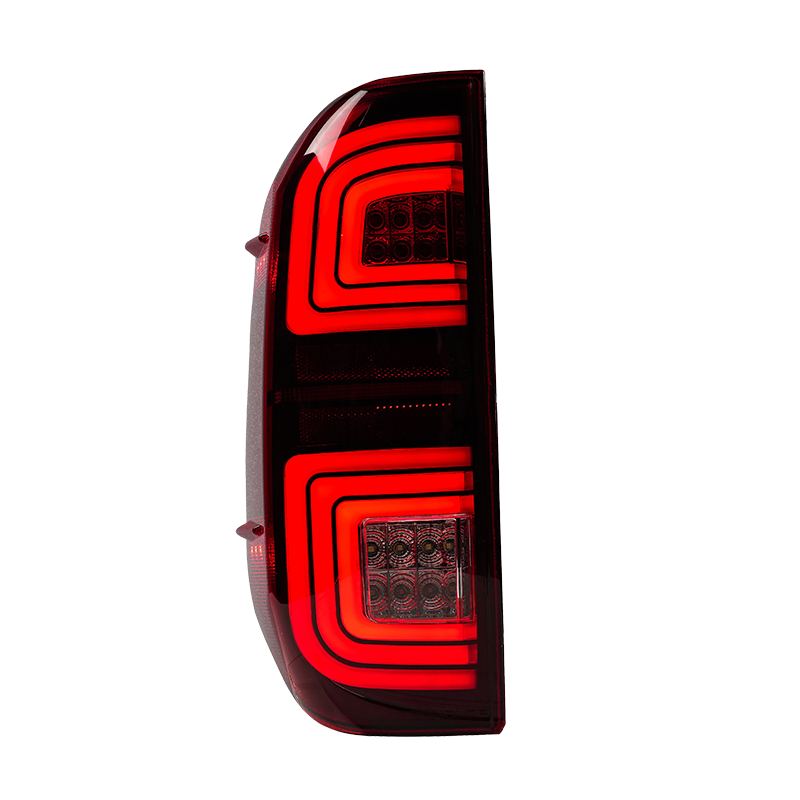
A pickup truck rolls into a driveway with brand new taillights that look sleek and dark in the daylight, but the owner notices something off at dusk — other drivers seem to brake later than usual when following behind. That's not a coincidence. It's a reminder that smoked lighting isn't just a style choice; it's a change to how visible a vehicle actually is on the road, and the material behind that dark look matters more than most buyers realize.
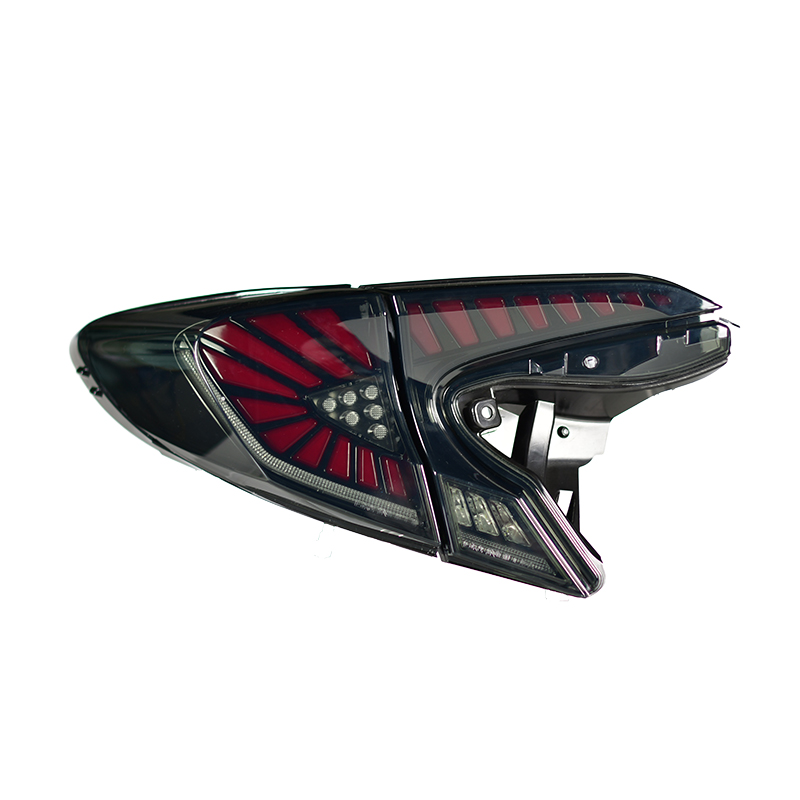
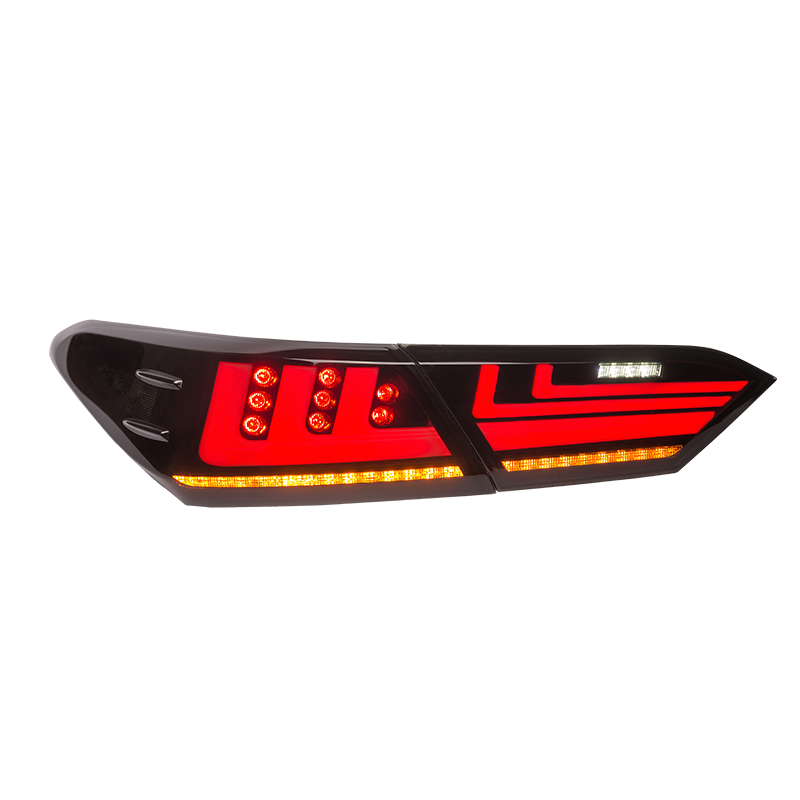
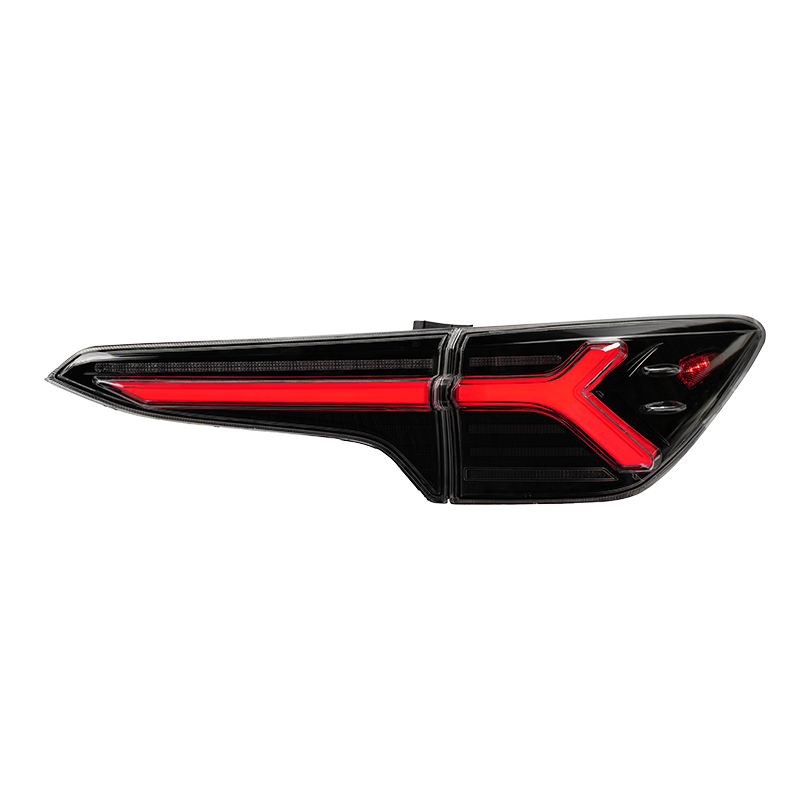
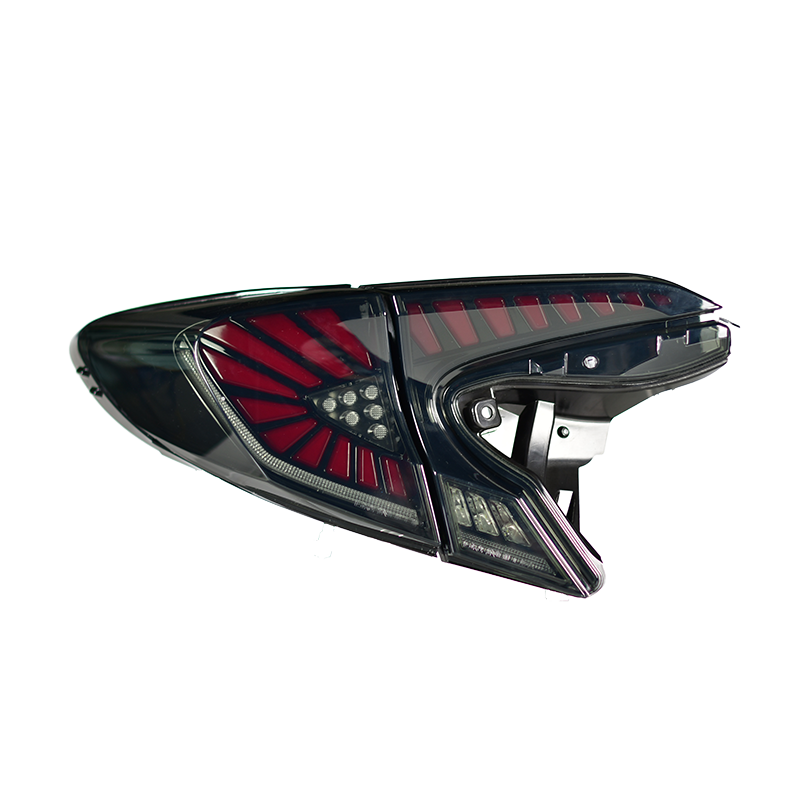
A smoked headlight or taillight isn't a different type of bulb or a separate lighting system. It's the same light underneath, just viewed through something that reduces how clear and bright it appears from the outside. That darker tint can come from a few different directions, and each one changes the experience differently.
| Method | Basic Idea |
|---|---|
| Smoke film | A tinted layer applied directly over the existing light surface |
| Light cover | A separate piece placed over the original light |
| Factory smoked finish | A tinted design built into the light during manufacturing |
Someone customizing a truck for a weekend car show has different priorities than someone who drives the same vehicle to work every day in heavy traffic, and that difference usually decides which of these three routes actually makes sense.
A smoke film works the way window tint works on glass — a thin tinted layer gets applied straight onto the surface of the headlight or taillight lens, changing how it looks without touching the light unit underneath.
What draws a lot of people to films is the flexibility. If someone decides down the road they want their vehicle looking stock again, the film peels off without needing to replace the actual light housing. That reversibility makes it appealing for someone who wants to try a style change without committing to it permanently.
| Feature | Description |
|---|---|
| Installation | Applied directly onto the existing light surface |
| Appearance change | Creates a darker lens effect over the original design |
| Flexibility | Can be adjusted or removed without replacing the light |
| Custom use | Works well for personal style changes that might evolve over time |
Getting a clean result with film comes down to surface prep. A lens that isn't properly cleaned before application tends to trap small air bubbles or dust particles underneath, which shows up as uneven patches once the film settles — something anyone who's tried applying phone screen protectors has probably experienced on a smaller scale.
Covers work differently. Instead of attaching directly to the lens, a cover sits over the entire light unit as an additional piece, almost like a shell fitted around the original design.
The appeal here is convenience. Covers tend to snap or clip into place without much preparation, and taking them back off is just as quick. For someone who wants to change their vehicle's look for a weekend event and switch back afterward, that speed matters more than a perfectly seamless finish.
| Category | Smoke Film | Smoke Cover |
|---|---|---|
| Installation method | Applied directly onto the lens | Fitted over the original light |
| Removal | Peel off the film layer | Unclip and remove the cover |
| Style effect | Blends closely with the original shape | Adds a visible outer layer |
| Adjustment | Allows some surface-level customization | Allows quick swapping between styles |
A driver who attends the occasional car meet might keep a set of covers just for those events, switching back to the stock lights the rest of the time — something that's a lot less practical with film, since removing and reapplying it repeatedly tends to wear out the material faster.
Factory smoked lights skip the extra layer entirely. The tinted appearance gets built into the lighting unit during production, so there's no film to apply and no cover to fit — the darker look is just how the light comes out of the box.
This tends to appeal to people who want a cleaner, more integrated appearance without extra installation steps. Since the tint is part of the original manufacturing, it usually blends more naturally with the rest of the light's design than an aftermarket layer might.
| Finish Type | Main Characteristic |
|---|---|
| Film-based | An added layer that adjusts appearance after the fact |
| Cover-based | An external piece for quick, temporary style changes |
| Factory smoked | Appearance built directly into the lighting unit itself |
The trade-off is permanence. Going back to a clear lens later usually means replacing the entire light rather than just peeling something off, which matters for someone who isn't fully certain the look will still appeal to them a year or two down the road.
Each of these three approaches produces a noticeably different final look, even when the general goal — a darker, smoked appearance — stays the same.
Film tends to follow the exact contour of the original lens, which creates a smoother, more subtle tint that still lets the underlying light design show through. Covers add visible depth and a slightly bulkier appearance, since there's now a second surface sitting on top of the original. Factory finishes usually land somewhere balanced, since the tint was planned as part of the light's design from the start rather than layered on afterward.
The rest of the vehicle plays into this too. A dark-colored truck with tinted windows tends to make smoked lights blend in more subtly, while a lighter-colored vehicle might make the same tint stand out more sharply. Wheels, trim, and other exterior details all factor into how the final look reads as a whole — smoked lights rarely exist as an isolated change, they're usually part of a broader style someone's building toward.
Picking between film, covers, and factory finishes comes down to a handful of practical questions rather than just picking whichever looks best in a photo.
How the vehicle actually gets used matters first. A daily driver spends a lot more time on the road after dark and in variable weather than a show vehicle does, which makes visibility and durability more pressing concerns.
Installation preference comes next. Someone who'd rather avoid replacing major components tends to lean toward film or covers, while someone open to a more permanent change might consider factory smoked lights instead.
Long-term plans for the vehicle matter too. A driver who expects to change their style again in a year or two usually benefits from something removable, while someone confident in a long-term look might prefer the integrated route.
Maintenance habits round them out. Films and covers each need their own care routine to stay looking clean, and skipping that upkeep shows up as scratches, cloudiness, or peeling edges over time.
None of these factors work in isolation — a show car owner who wants flexibility for changing themes each season is thinking about this very differently than someone customizing a truck they plan to keep for the next decade.
Headlights and taillights exist primarily to keep a driver and everyone around them safe, and that function doesn't get to take a back seat to style. A tint that's too dark can genuinely reduce how well a driver sees the road at night, or make it harder for the car behind to register brake lights in time.
Before installing any smoke film, cover, or factory-tinted light, it's worth checking what's actually allowed in the area a vehicle is driven and registered. Rules around lighting tint vary by location, and installing something that looks great but crosses into non-compliant territory can turn into an unwanted conversation during a routine traffic stop.
Installation quality matters just as much as the material choice. A film applied unevenly or a cover that doesn't sit flush against the light housing can distort how the light actually projects, which undercuts the entire point of having functional lighting in the first place. Checking in on installed lighting periodically — making sure turn signals and brake lights are still clearly visible — is a small habit that keeps a style choice from quietly becoming a safety issue.
People modifying trucks and SUVs are looking for more ways to make a vehicle feel like their own without tearing into major structural changes, and smoked lighting is one of the more accessible ways to do that. It changes the vehicle's appearance noticeably without touching anything under the hood or altering how the car actually drives.
Film gives flexibility for someone still figuring out their preferred look. Covers offer a quick way to switch styles without commitment. Factory smoked finishes give a cleaner, built-in appearance for someone confident in what they want long-term. None of these options is inherently better than another — they're just built for different priorities.
As more drivers look to personalize their vehicles, understanding what's actually behind that darker lighting look — rather than just picking whatever shows up first in a search — makes it a lot easier to land on something that fits both the intended style and the way the vehicle actually gets driven day to day.
We are a modern headlight manufacturer that integrates R&D, design, production and sales. We mainly produce headlamps, taillights, daytime running lights and other automotive lighting products.
Add: No.3 Shiyang Road, Ningxi Town, Huangyan District, Taizhou City, Zhejiang Province, China
Tel: +86-13105675552 / +86-15606586299
Fax: +86-576-89161556
E-mail: [email protected]
Copyright © Taizhou Baozhiwei Vehicle Industry Co.,Ltd. All Rights Reserved.

 English
 русский
 Español