Call us

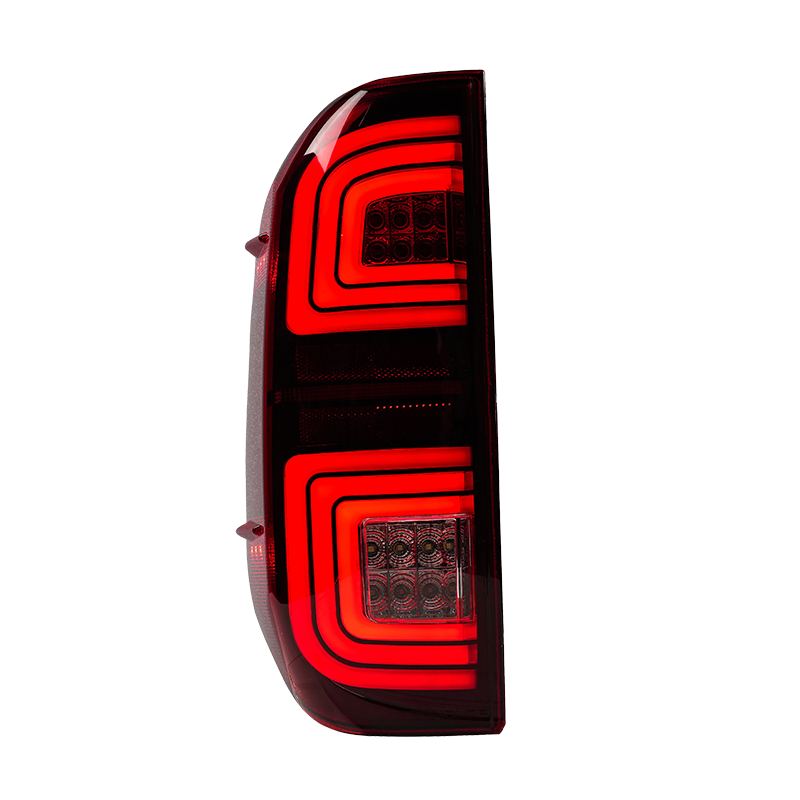
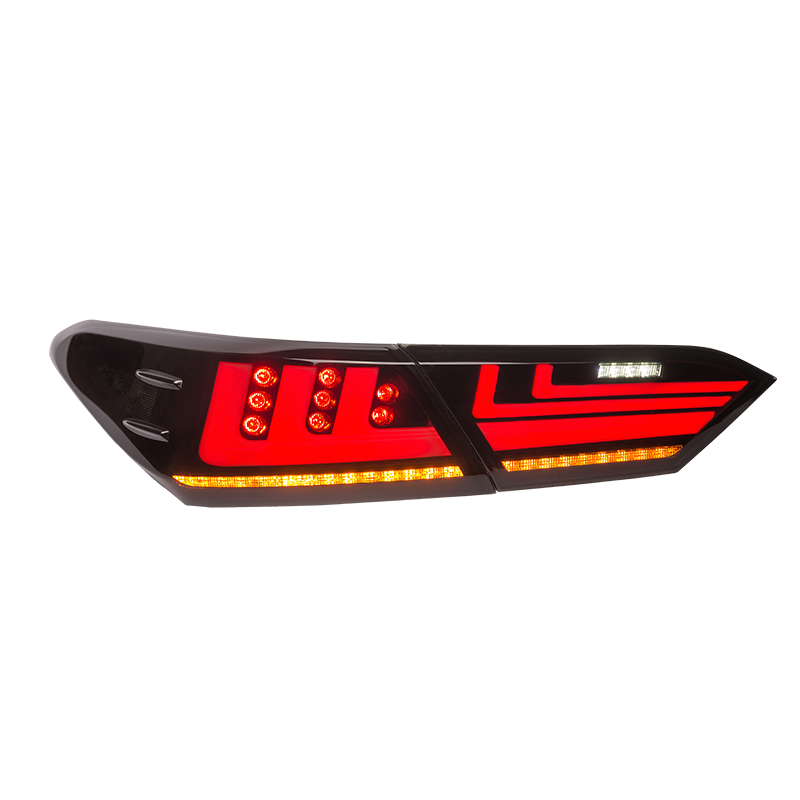
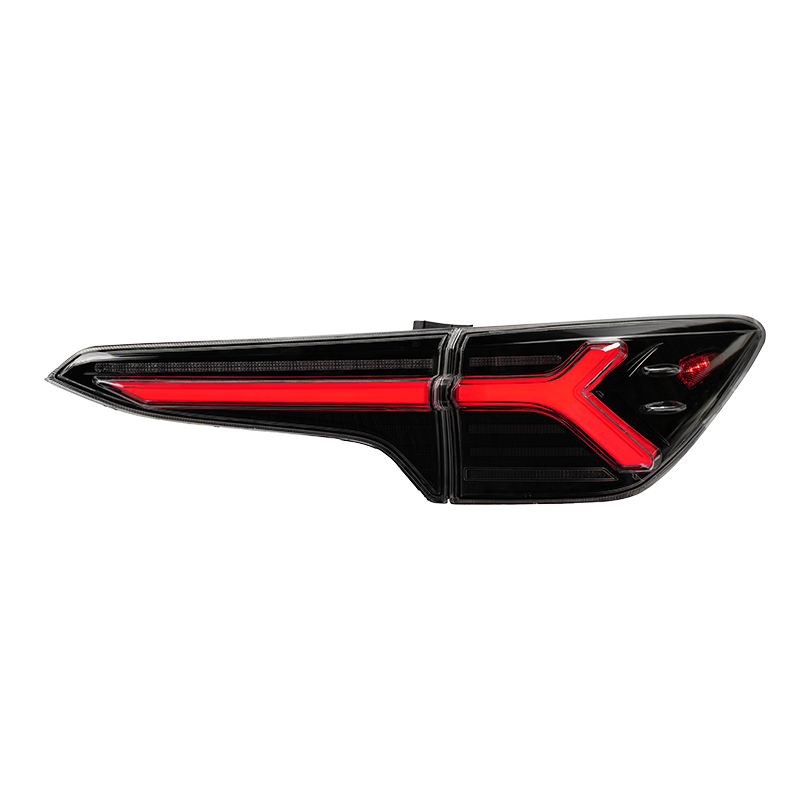
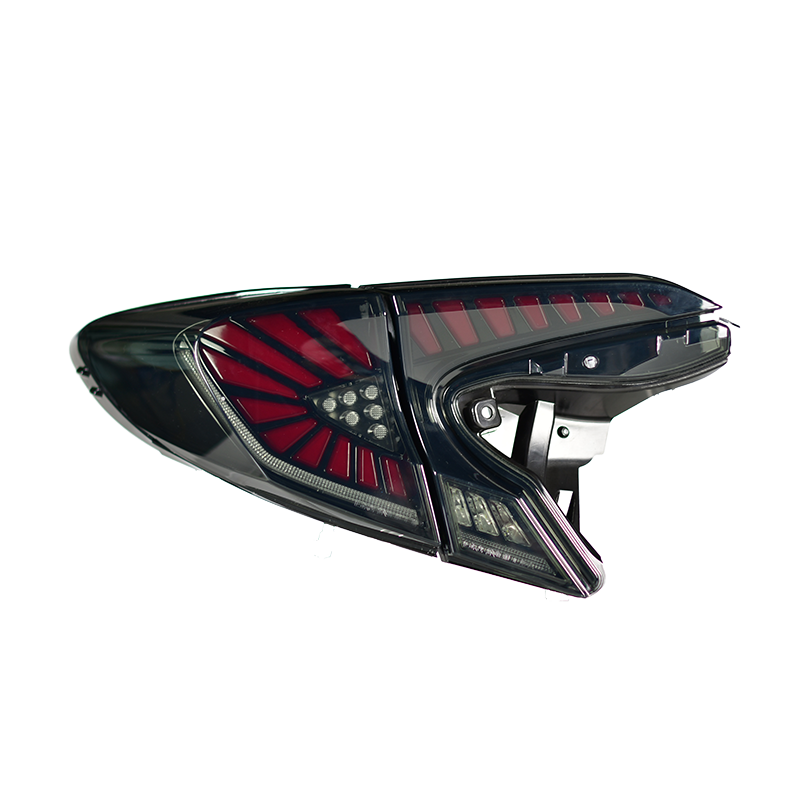
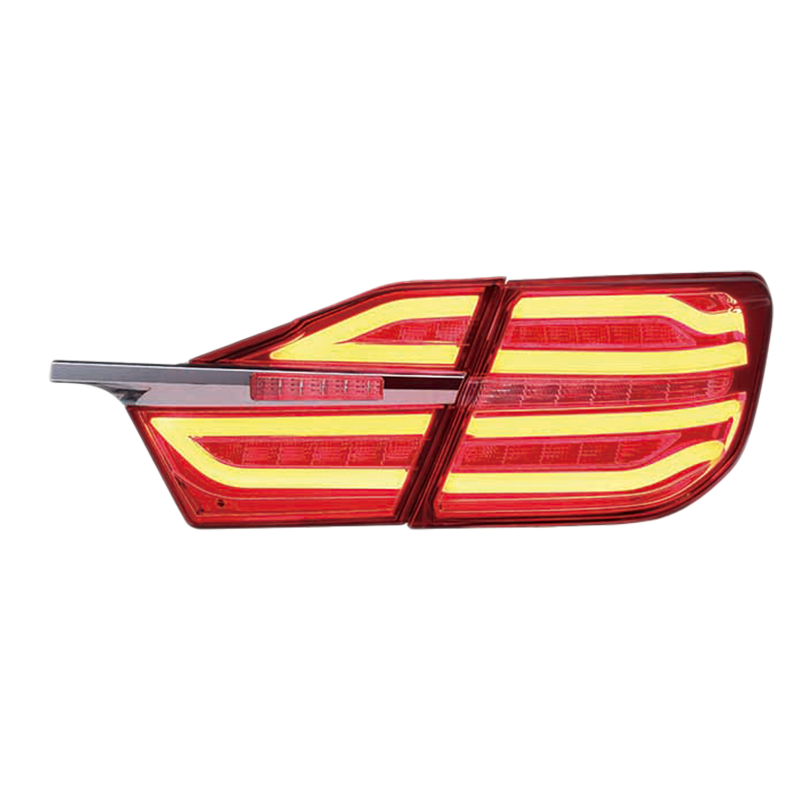
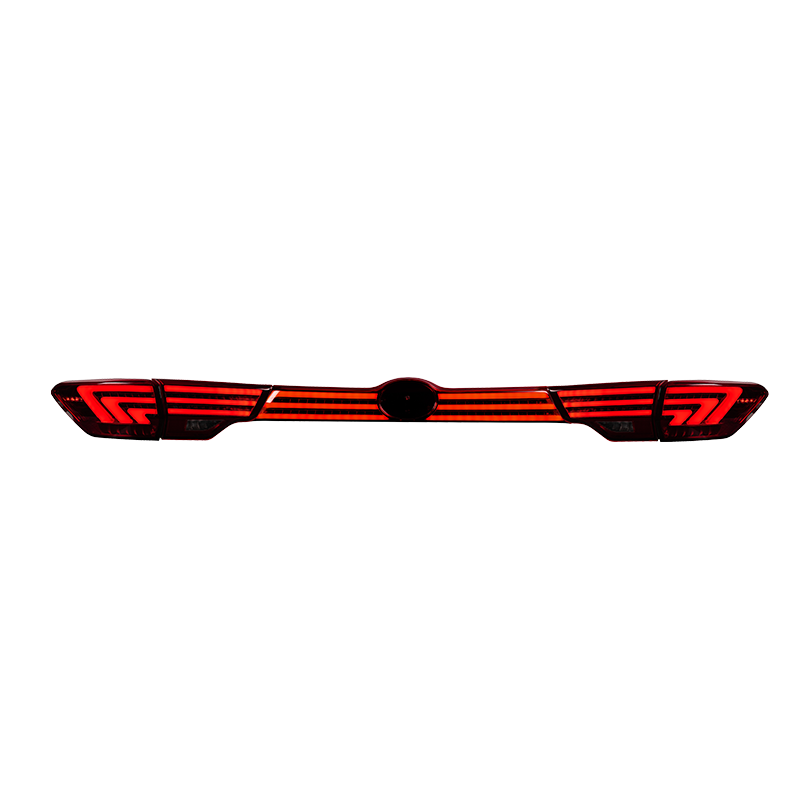
A guy pulls his ten-year-old sedan into a parking lot next to a coworker's brand new SUV, and the two vehicles somehow look like they're from completely different eras — until you notice the older sedan's got darkened lens covers on the headlights and taillights, and suddenly it reads a lot more current than its actual mileage would suggest. That's basically the whole appeal of smoke lighting in a nutshell. A relatively small swap on the front and rear of a car can shift how the whole vehicle reads, without touching the engine, the paint, or anything structural. Smoke Headlights and Taillights work by darkening the outer lens or housing on a vehicle's lighting assembly, giving it a moodier, more modern look while the lights themselves still do their actual job just fine. They show up on sedans, trucks, SUVs, and plenty of customized project cars, mostly because they hit a sweet spot between noticeable and practical.
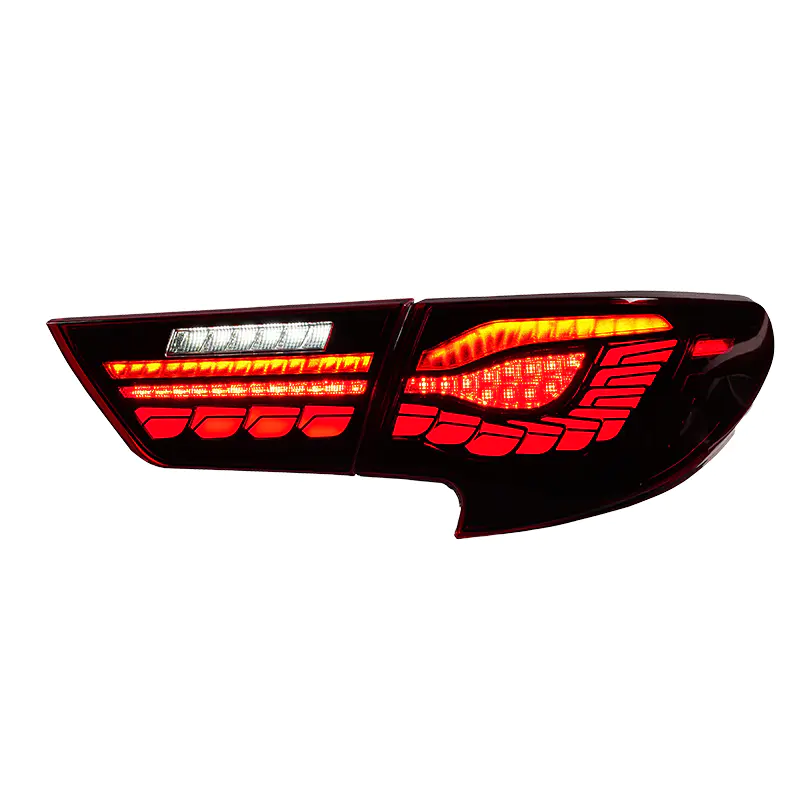
A standard headlight or taillight usually has a clear or lightly tinted lens sitting over the actual bulb or LED array inside. Smoke versions swap that clear lens for a darker one, cutting down how bright and obvious the housing color looks from the outside while the light output underneath still functions normally when it's actually switched on.
A typical assembly breaks down into a few basic parts:
| Part | What It Actually Does |
|---|---|
| Outer lens | Shields the internal components and shapes the look |
| Housing | Holds everything inside in place |
| Lighting source | Produces the actual illumination |
| Mounting structure | Attaches the whole unit to the vehicle |
Swapping in a darker lens changes how the assembly looks sitting in daylight without turning it into some entirely different piece of hardware. The lights still turn on, still signal, still illuminate the road the same way they always did — they just look different when the car's parked and the engine's off.
A lot of owners end up going this route simply because it pulls the whole front or back end of the car together visually, especially on vehicles where the factory lighting looks a bit dated or mismatched against everything else going on with the exterior.
Car styling has drifted pretty noticeably toward cleaner, less flashy exteriors over the last several years. Fewer people want chrome accents and bright contrasting trim these days — a lot of drivers seem to prefer something that reads as understated but still deliberate.
Smoke lighting fits into that shift pretty naturally, since a darker lens tends to blend into a wider range of paint colors than a bright clear one does.
A few reasons this particular upgrade keeps showing up:
Compared to repainting a car or swapping body panels, changing out the lighting assemblies is a lot less involved, which probably explains why so many people start their customization journey right here instead of somewhere more expensive.
Headlights and taillights do a lot more visual work than people usually give them credit for. They sit right at the front and back of a vehicle, which means they're often the first thing someone's eye lands on.
Darkening those lenses changes the contrast between the lighting units and the rest of the body, which shifts the overall visual balance more than people expect from something that seems like a small swap.
A few common effects show up pretty consistently:
| What Changes | How It Actually Looks |
|---|---|
| Darker lens tint | Reads as more modern, less flashy |
| Cleaner front and rear lines | Pulls the exterior together visually |
| More aggressive stance | Adds a bit of edge to the overall look |
| Better color matching | Blends more naturally with darker paint jobs especially |
How much of a difference this actually makes depends a lot on the specific car, its paint color, and which style of smoke lens someone picks. A dark gray or black car tends to look particularly cohesive with smoke lighting, while a bright white or red car might create more of a deliberate contrast instead.
Plenty of people who go this route aren't just swapping headlights in isolation — it's usually one piece of a larger plan to give a car a more personal, put-together look.
Smoke lighting tends to be one of the more approachable upgrades precisely because it's relatively simple to install on compatible vehicles without needing specialized tools or a trip to a body shop.
It often gets paired with other changes like:
A lot of car enthusiasts think about lighting as part of a complete package rather than a standalone swap — the headlights match the wheels, which match the trim, which all reads as one intentional look instead of a bunch of separate decisions.
One of the practical reasons smoke lighting has stuck around is that it's genuinely available across a wide mix of vehicle categories, not just one niche segment.
Manufacturers put out smoke lighting assemblies for pretty much every common vehicle type:
| Vehicle Type | Where This Shows Up Most |
|---|---|
| Passenger cars | General exterior styling updates |
| Pickup trucks | Custom truck builds and daily drivers alike |
| SUVs | Modern visual refreshes |
| Commercial vehicles | Occasional selective upgrades |
Exact fit and design vary quite a bit depending on the specific model, which is worth checking before ordering anything, since not every smoke lens is a universal drop-in fit across different trim years of the same vehicle.
Looks are usually the first thing that draws someone in, but there's a handful of practical things worth thinking through before actually installing new lighting.
A few things worth checking ahead of time:
Headlights and taillights aren't purely cosmetic parts — they're doing real safety work every time someone drives at night or signals a turn. Any swap here should still function properly once it's installed, not just look good sitting in a parking lot during daylight.
Balancing the visual upgrade against actual lighting performance tends to lead to a result that looks good without creating an unexpected safety trade-off down the line.
Lighting manufacturers keep refining both how these products look and how they're actually built, since a smoke lens that looks great in photos but degrades or clouds up after a year in the sun isn't much of a win for anyone.
| What Gets Worked On | Why It Actually Matters |
|---|---|
| Exterior styling | Keeps the look current and appealing |
| Material choice | Affects how well the lens holds up over time |
| Manufacturing consistency | Makes sure units fit and look right batch to batch |
| Installation compatibility | Makes sure it actually fits the intended vehicle |
The general goal is putting out something that looks like it could've come from the factory this way, rather than something that obviously reads as an aftermarket add-on bolted onto an otherwise stock car.
A lot of car owners these days think about their headlights and taillights as part of the actual design of the car, not just functional hardware bolted on somewhere at the front and back.
Exterior styling in general has gotten a lot more detail-oriented, with small choices — trim color, wheel finish, lighting tint — all adding up to how a car actually reads to someone walking past it in a parking lot.
Smoke lighting fits into that shift by offering something darker and cleaner-looking compared to older, brighter clear lens designs.
Manufacturers keep rolling out new versions of these products as preferences keep shifting, staying compatible with whatever current vehicle designs happen to be popular that year.
Modern car design leans pretty heavily on clean lines and a sense that everything on the exterior belongs together, rather than looking like a pile of mismatched parts. Smoke Headlights and Taillights play into that by giving owners a lighting option that blends more naturally with that overall aesthetic instead of standing out in the wrong way. They let someone put a personal stamp on their car while the lights themselves keep doing exactly what they've always done — lighting the road and signaling to other drivers. Whether it's someone's daily commuter car or a weekend project vehicle getting a full customization treatment, smoke lighting remains one of those upgrades that quietly changes how a car reads to everyone else on the road, the same way that coworker's parking lot comparison turned out to be less about the cars themselves and more about a couple of darkened lenses doing a lot of visual heavy lifting.
We are a modern headlight manufacturer that integrates R&D, design, production and sales. We mainly produce headlamps, taillights, daytime running lights and other automotive lighting products.
Add: No.3 Shiyang Road, Ningxi Town, Huangyan District, Taizhou City, Zhejiang Province, China
Tel: +86-13105675552 / +86-15606586299
Fax: +86-576-89161556
E-mail: [email protected]
Copyright © Taizhou Baozhiwei Vehicle Industry Co.,Ltd. All Rights Reserved.

 English
 русский
 Español