Call us

Vehicle tail lights are easy to overlook when they work exactly as expected. A driver following behind simply sees a clear rear signal glowing through the dark, while all the design work happening inside the lamp stays completely hidden from view.
For an OEM LED tail light, light distribution is more than just a question of how bright the lamp appears from the road. The light needs to reach the intended viewing area, maintain a recognizable pattern, and support several rear lighting functions all within one available housing.
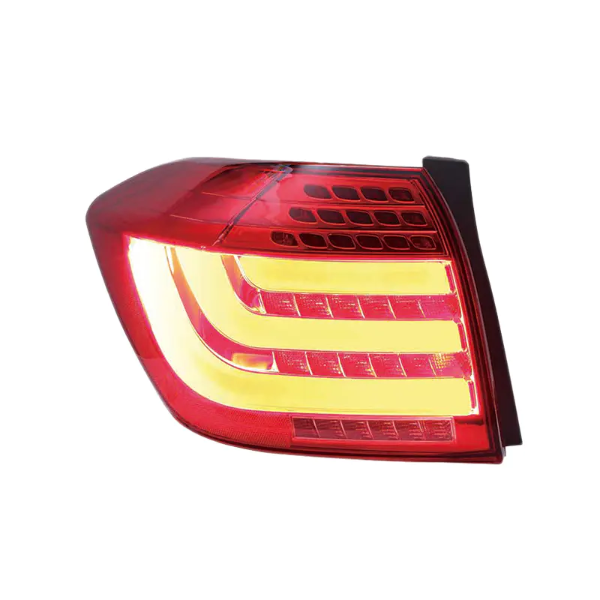
This makes the internal arrangement genuinely important, more than most drivers ever think about. LED position, lens shape, reflective surfaces, housing design, and the relationship between the lamp and vehicle body can all shape how the light actually appears from outside the car.
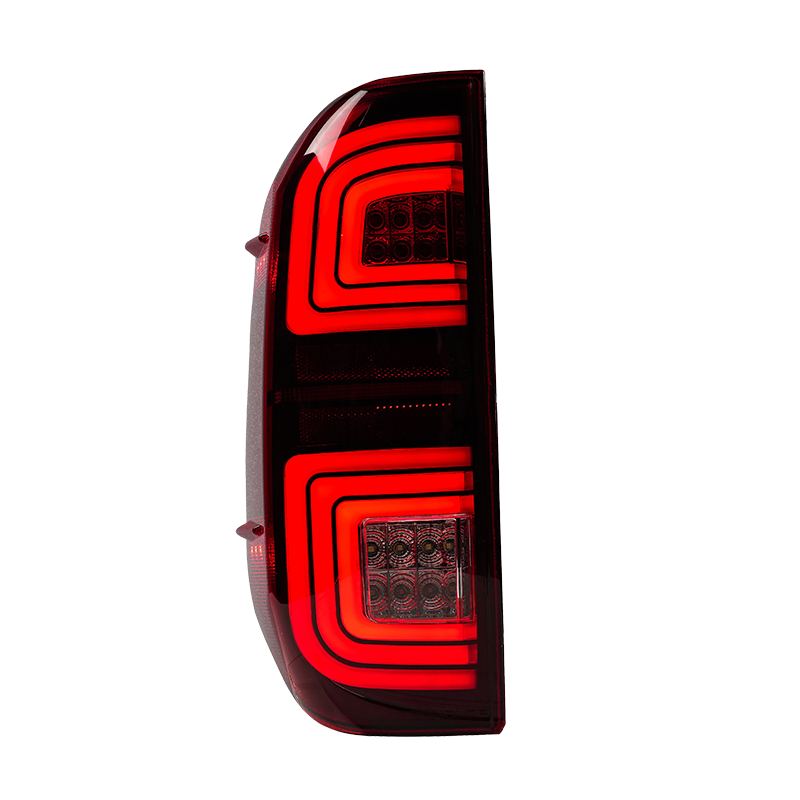
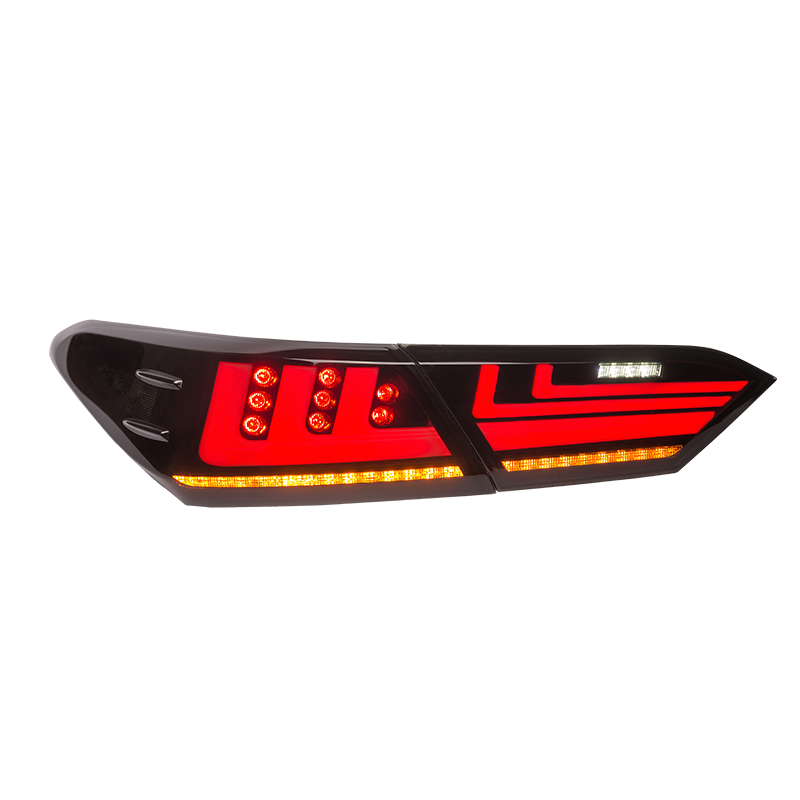
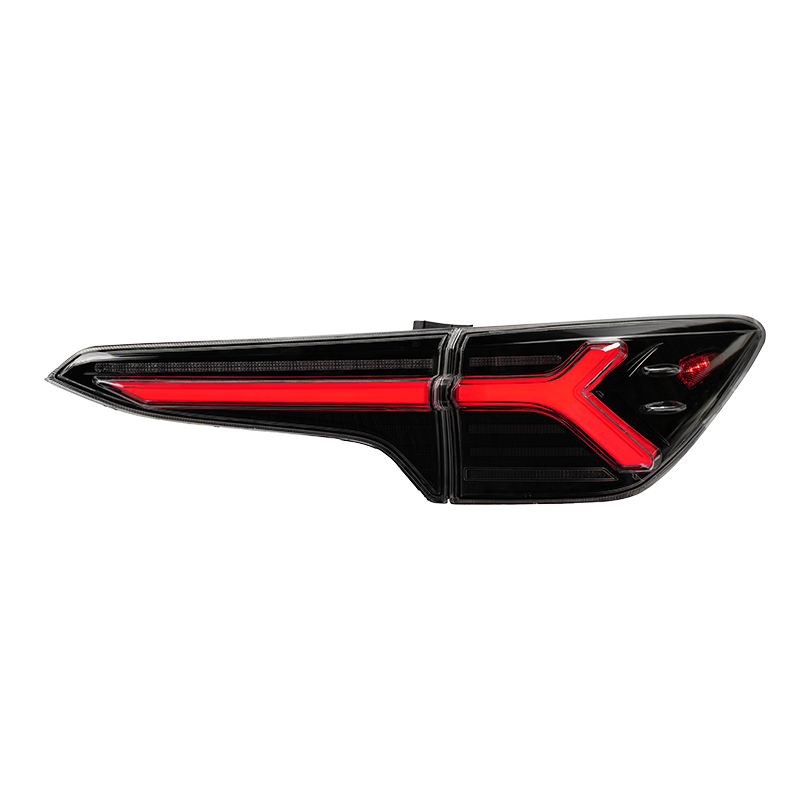
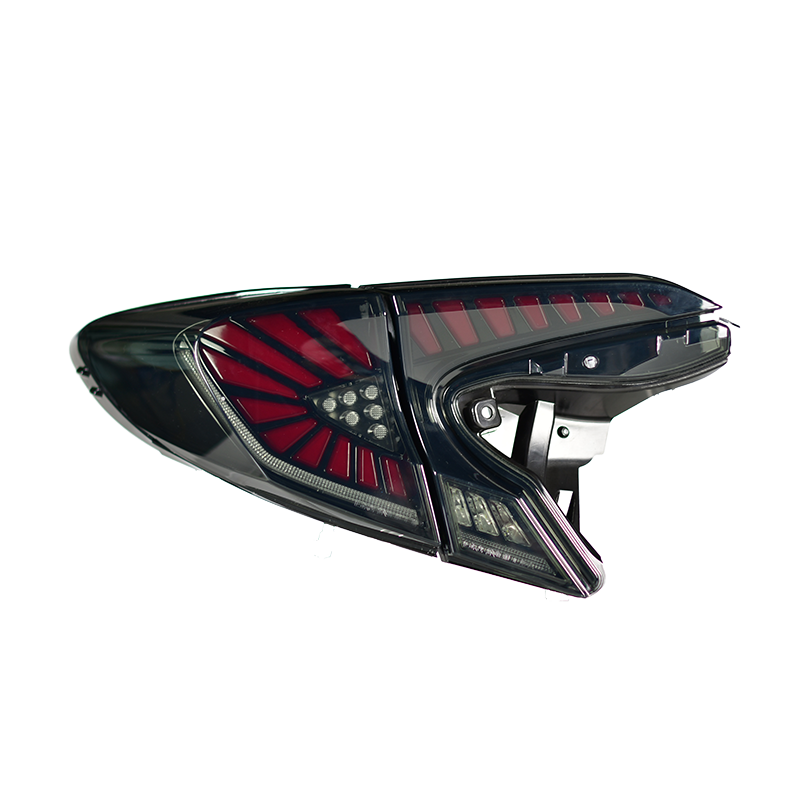
The same considerations come into play when developing Custom Car Led Tail Lights. A customized appearance may change the shape or surface of the lamp entirely, but the underlying lighting layout still needs to support clear communication once that car is out on the road.
The location of each LED inside a tail light can shape how the light actually spreads through the housing once it's switched on. When several light sources sit grouped together, their positions determine which parts of the outer lens end up receiving illumination and which stay comparatively dim.
A simple arrangement might create a fairly straightforward lighting area with little variation. A more carefully planned layout, on the other hand, can divide the lamp into different visual sections, letting separate areas support functions like rear position lighting, braking, or turn signaling without stepping on each other.
| LED Arrangement | Possible Lighting Effect |
|---|---|
| Closely grouped LEDs | Creates a concentrated illuminated area |
| Spaced LED layout | Can support a wider visual pattern |
| Linear arrangement | Creates a defined visual direction |
| Sectioned arrangement | Helps separate lighting functions |
| Curved arrangement | Can follow the shape of the housing |
The physical shape of the vehicle itself factors into this decision too. A lamp mounted on a broad, flat rear panel allows for a very different arrangement than one squeezed into a narrow or curved body section near a corner.
LED placement should therefore get considered together with the housing, rather than treated as some independent decision made in isolation. Moving a single light source can change how evenly the outer surface appears once the lamp is actually running.
The position of the LEDs also shapes the visual character of the lamp when viewed from different angles walking around the car. This matters quite a bit, since a tail light normally gets seen by road users who aren't directly centered behind the vehicle at all, but approaching from an angle or a side lane.
A suitable arrangement aims to keep the intended signal recognizable across that whole expected viewing area. The design process therefore has to weigh both the location of the LEDs and the way their light interacts with the rest of the assembly around it.
The outer lens is one of the most visible parts of a tail light, the piece everyone actually sees driving down the highway. It protects the internal components from the elements while also shaping how the emitted light actually appears to people outside the vehicle.
A flat lens and a curved lens create genuinely different visual effects, since their shapes interact differently with the light coming from inside the housing. The lens can also contain visual sections built in to help guide or spread illumination across particular areas rather than letting it scatter evenly.
| Lens Feature | Influence on Lighting Appearance |
|---|---|
| Flat surface | Creates a simple outer presentation |
| Curved surface | Can follow vehicle body lines |
| Textured surface | Can spread light across an area |
| Sectioned surface | Helps separate visual functions |
| Tinted surface | Changes the appearance of emitted light |
Lens material and surface condition matter here too, more than people realize until something goes wrong. Scratches, dirt, clouding, or other visible changes can alter the appearance of the lamp and make the light look a lot less even than it's supposed to.
For an OEM design, the lens needs to work with the internal lighting arrangement from the very beginning of the process. Changing the lens later on can throw off how the original LED layout appears through that outer surface, sometimes in ways that weren't intended at all.
This relationship matters especially for Waterproof LED Tail Lights. A protective housing needs to keep moisture out of the internal area while still letting the intended lighting pattern remain clearly visible through the outer lens, even after years of rain and road spray.
The lens is therefore never simply a cover sitting on top of everything else. It's part of the whole visual system connecting the internal light source with the outside environment drivers actually see.
Light inside a tail light doesn't always travel in a straight line from the LED toward the outside world. Internal surfaces can redirect where that light travels before it ever reaches the lens, shaping the final look in subtle ways.
Reflective areas can help push light toward parts of the housing that would otherwise look darker by comparison. Their shape, position, and relationship with the LEDs all affect how evenly the illuminated area ends up presenting itself once lit.
A simplified design may include several internal sections working together.
| Internal Area | General Role |
|---|---|
| LED area | Produces the light |
| Reflective surface | Helps redirect light |
| Inner housing | Holds and separates components |
| Lens area | Presents the light outward |
| Divider section | Separates different visual functions |
The purpose of these structures isn't simply making the lamp look brighter overall. They also help control exactly where the light shows up and how different sections of the lamp get visually separated from each other.
This becomes genuinely important when a single tail light handles several functions at once. The designer may need one area to look distinct from another, even though both functions share the same physical housing side by side.
A well-planned internal arrangement can cut down on unwanted overlap between visual sections that would otherwise blur together. It also helps create a more consistent appearance across the whole visible surface, front to back.
The exact design still depends on the vehicle and the lighting function involved. There's no single internal layout that suits every OEM tail light out there, since housing shapes, available space, and styling requirements vary quite a bit between different vehicles.
The housing provides the physical space where all the lighting components actually sit. Its shape influences the distance between the LEDs, reflective surfaces, lens, and the surrounding vehicle body wrapping around it.
A narrow housing may demand a fairly compact internal arrangement squeezed into limited room. A larger housing, by contrast, offers a lot more freedom to spread light across several distinct sections without crowding everything together.
The housing also needs to protect the internal components from everyday outdoor conditions, which matters a lot for rear lighting specifically. The assembly regularly encounters rain, road moisture, dust kicked up from the highway, and routine washing at the car wash.
| Housing Consideration | Design Relevance |
|---|---|
| Available internal space | Influences component placement |
| Housing shape | Affects the lighting layout |
| Internal separation | Helps organize different functions |
| Outer protection | Supports everyday vehicle use |
| Mounting structure | Connects the lamp with the vehicle |
Housing design can also shape how the lamp looks from outside the car entirely. If the internal components sit positioned unevenly, some areas of the lens can end up looking more illuminated than others, which becomes noticeable when the lamp gets viewed at an angle or when different lighting functions kick in at once.
For a Tail Light Manufacturer, housing development therefore needs consideration right alongside LED placement and lens design, not as some afterthought tacked on later. A lamp can have a perfectly suitable light source and still produce an inconsistent visual pattern if the surrounding structure doesn't support the intended distribution properly.
A tail light never operates in isolation from the rest of the car. Its position on the vehicle body determines how road users actually see it while driving behind or beside it.
Some lamps sit on relatively flat rear surfaces that make for straightforward viewing. Others wrap around corners or follow curved body panels that catch light differently depending on the angle. These differences shape how the light appears both from directly behind and from the sides while merging lanes.
The installation position also shapes how much internal space is even available to work with.
| Installation Situation | Design Consideration |
|---|---|
| Flat rear panel | Allows a relatively direct visual presentation |
| Curved body section | Requires the lamp to follow the vehicle shape |
| Rear corner | Makes side visibility more relevant |
| Integrated body design | Requires close coordination with surrounding surfaces |
| Compact mounting area | Limits housing arrangement |
This is one reason OEM lighting development usually starts with the vehicle itself, rather than designing the lamp as a standalone piece first. A tail light needs to fit the body, connect with the vehicle's existing design language, and provide a clear lighting pattern once it's actually installed in place.
For Custom Car Led Tail Lights, installation position becomes even more important once an owner or designer changes the original lamp shape entirely. A customized housing can create a genuinely different relationship between the light source and the vehicle body underneath it. The new design should therefore get evaluated as one complete installed assembly, rather than judged only as a standalone product sitting on a workbench.
A rear lamp may pack several lighting functions into one single housing. Each function needs to stay visually understandable the moment it activates, whether that's braking suddenly or signaling a turn.
The real challenge lies in creating separation without making the lamp look fragmented or chaotic. LED placement, internal dividers, lens sections, and visual patterns all contribute to striking that balance correctly.
| Lighting Function | Distribution Focus |
|---|---|
| Rear position lighting | Creates a recognizable rear presence |
| Brake lighting | Needs a clear change in visual signal |
| Direction signaling | Requires an identifiable directional pattern |
| Rear lighting sections | Need visual separation where appropriate |
| Decorative lighting | Should not interfere with functional signals |
The difference between functions can come from position, shape, timing, or visual intensity, sometimes all four working together at once. Designers need to make sure these elements cooperate instead of competing for a driver's attention behind them on the road.
A complicated lighting pattern isn't automatically more useful just because it looks intricate. If different sections blend together too much, a road user might genuinely struggle to tell which signal is actually being displayed at that moment.
For OEM applications, this makes functional clarity a genuinely important part of the whole design process. The same idea carries over to Custom Car Led Tail Lights too. A personalized appearance can absolutely come through shapes and lighting patterns, but the functional areas still need to stay understandable during normal, everyday driving. This balance between styling and communication ranks among the more important considerations in rear lighting design overall.
Smoked lighting has become closely associated with customized vehicle appearance over the past several years. A darker outer surface can change the whole character of a tail light when the vehicle's parked or when the lamp isn't actively running.
The visual effect, though, ties directly back to light transmission through that surface. A darker treatment changes how much light actually gets through the outer lens, so the smoked appearance needs consideration right alongside the underlying lighting arrangement, not separately from it.
Smoked-out Headlights and Taillights can therefore require extra attention to the relationship between the light source and the outer lens sitting over it.
| Smoked Design Element | Lighting Consideration |
|---|---|
| Darker lens appearance | Changes the visual presentation |
| Lens treatment | Can influence light transmission |
| LED placement | Affects the pattern seen through the lens |
| Internal layout | Helps maintain functional separation |
| Surface condition | Can influence visual clarity |
The goal of smoked styling shouldn't get separated from road visibility concerns. The lamp still needs to perform its intended function once activated, and local regulations should get checked carefully before modified lighting goes onto public roads.
For manufacturers, this means appearance changes need review as part of the complete lighting assembly, not judged on their own. A darker lens can look completely different in daylight compared to how the same lamp appears once illuminated at night. Testing the full product in its intended configuration helps catch differences that are genuinely hard to judge from individual components sitting apart on a bench.
This is also exactly why a smoked finish shouldn't get picked simply because the lens looks sharp while the vehicle is parked and stationary in a driveway.
Light distribution gets shaped by several connected decisions working together, not any single choice made in isolation. LED arrangement, housing structure, lens design, internal surfaces, installation position, and lighting functions all interact with one another throughout the process.
A Tail Light Manufacturer can evaluate these elements together during development, rather than adjusting one part without weighing how it affects the rest of the assembly around it. A practical development process may consider the following steps.
This approach proves useful for both standard OEM development and more customized projects alike. For Waterproof LED Tail Lights, environmental protection needs consideration right alongside the visual appearance of the lamp itself. For Custom Car Led Tail Lights, styling changes need review together with installation position and functional lighting requirements, not treated as separate concerns.
Light distribution therefore never gets created by the LED alone, no matter how good that individual component might be. It develops instead from the interaction between the light source, internal structure, lens, housing, vehicle position, and the overall product design working together as one system.
We are a modern headlight manufacturer that integrates R&D, design, production and sales. We mainly produce headlamps, taillights, daytime running lights and other automotive lighting products.
Add: No.3 Shiyang Road, Ningxi Town, Huangyan District, Taizhou City, Zhejiang Province, China
Tel: +86-13105675552 / +86-15606586299
Fax: +86-576-89161556
E-mail: [email protected]
Copyright © Taizhou Baozhiwei Vehicle Industry Co.,Ltd. All Rights Reserved.

 English
 русский
 Español