Call us

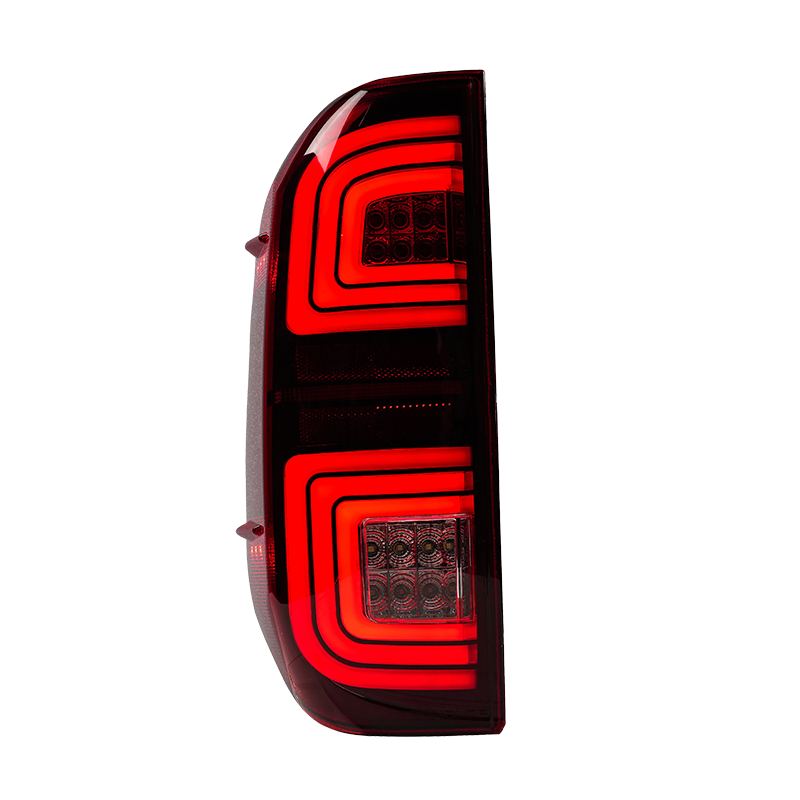
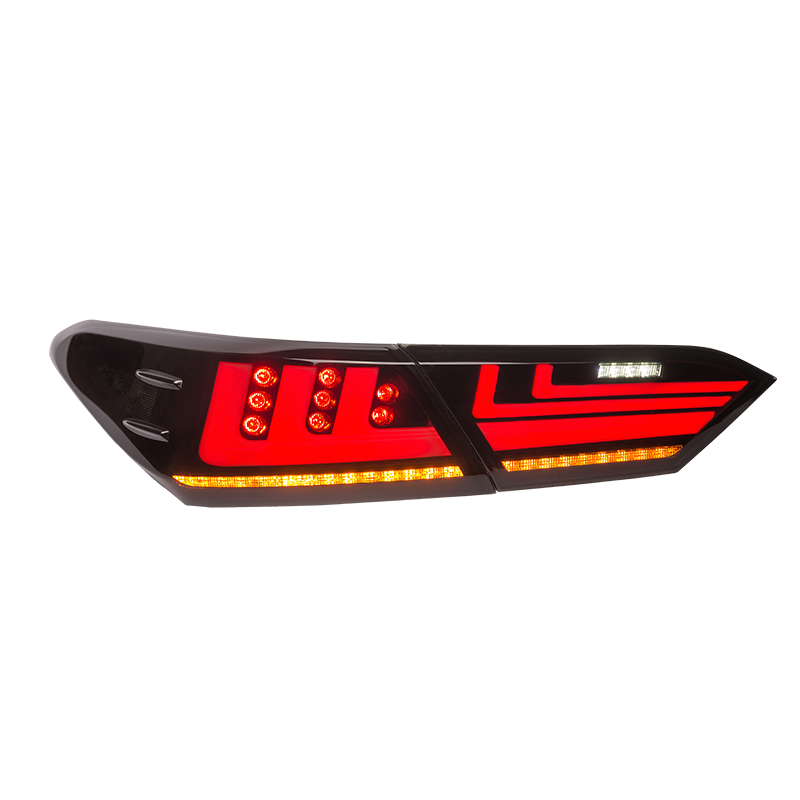
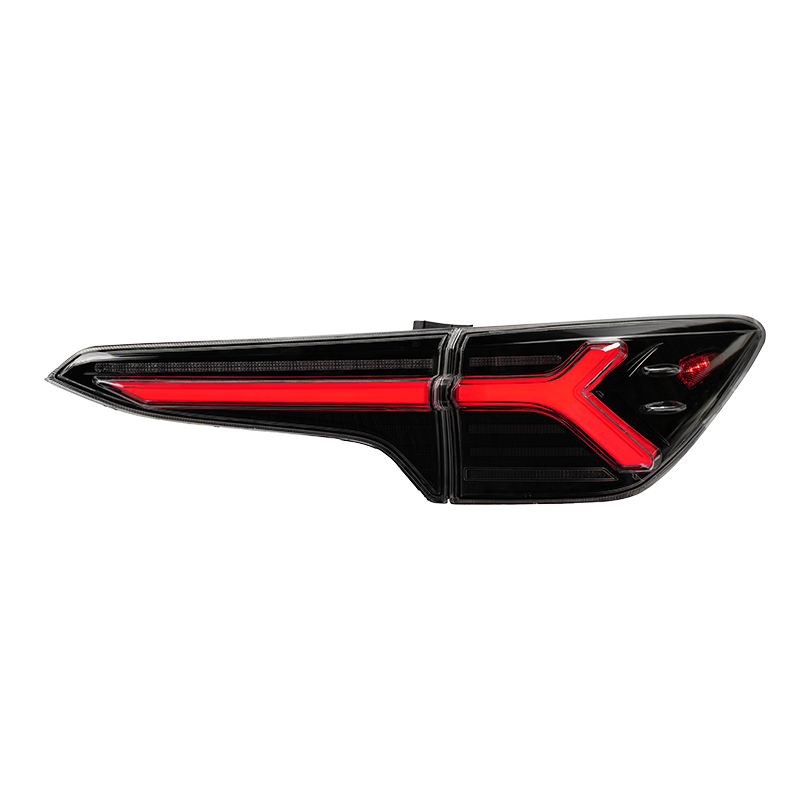
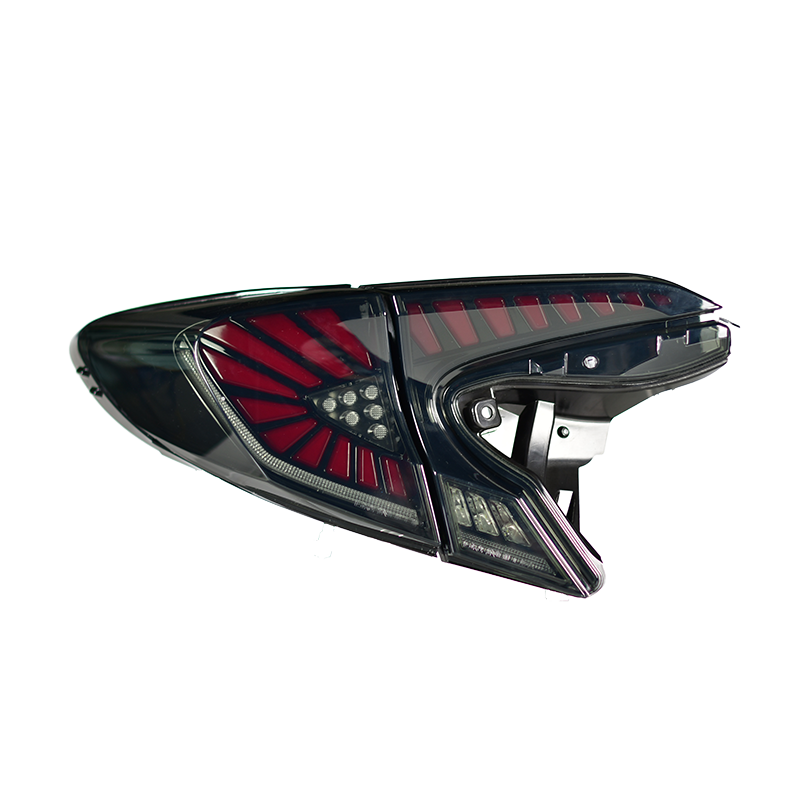
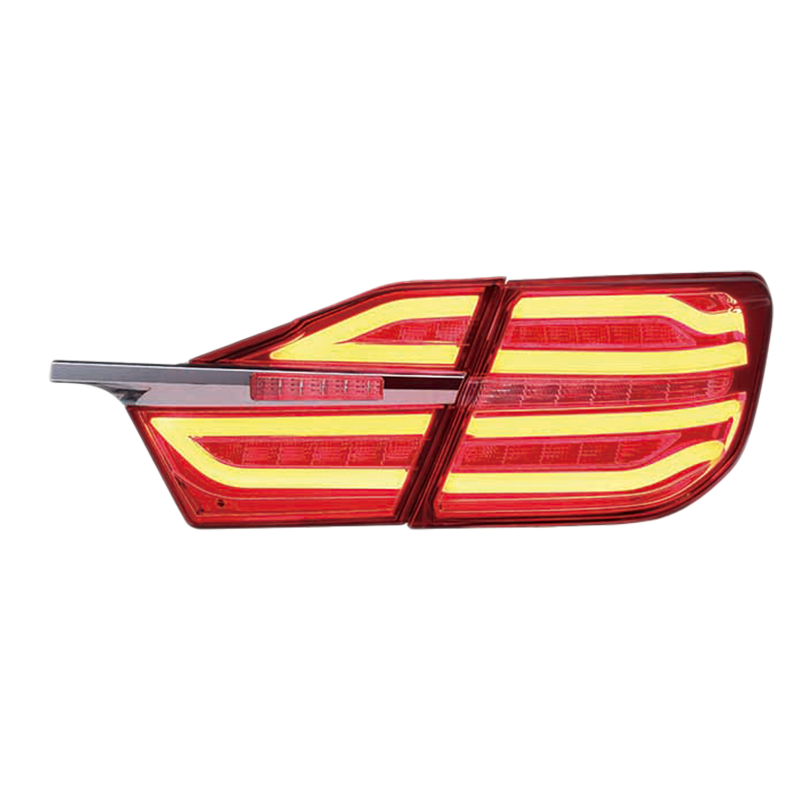
Anyone who has stared at a cracked, foggy tail light housing and wondered whether it's worth saving already knows the frustration involved in this kind of upgrade. The housing looks fine structurally, the mounting points still line up, and yet the old bulb setup just doesn't cut it anymore next to newer vehicles on the road. That's usually the moment people start looking into OEM LED Tail Lights as a way to breathe new life into hardware they already own, rather than tossing out a housing that still fits perfectly and ordering something brand new. Converting an existing housing instead of replacing it outright saves money, sure, but it also keeps the factory fit intact, which matters more than people expect once they're back under the bumper trying to make things line up.
Swapping bulbs and adjusting wiring inside a housing you already own tends to make more sense than buying a whole new unit, especially when the plastic lens and housing shell are still in decent shape. Cracks in the reflector coating or yellowing on the lens are cosmetic issues mostly, not reasons to scrap the whole assembly.
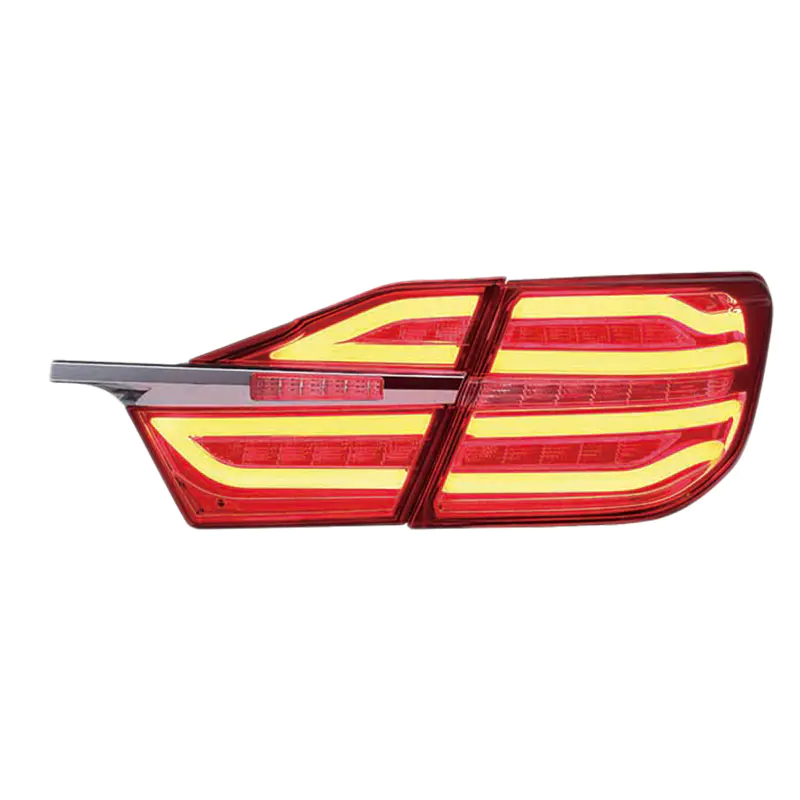
There's also a compatibility angle worth mentioning here. Housings built to OEM specifications already match the vehicle's mounting brackets, seals, and connector shapes. Converting internally means none of that geometry changes, so reinstallation goes back to being a straightforward bolt-on job rather than a fitment guessing game.
It does, more than most people assume before starting the project. The housing isn't just a shell — it's engineered with specific reflector angles and lens curvature designed around a particular light source. Swap the bulb technology without respecting that design, and the beam pattern can end up scattered or dim in spots where it used to be even.
That's part of why sticking with OEM LED Tail Lights as a reference point for conversion work tends to produce more predictable results than starting from scratch with an aftermarket shell that wasn't built with the same reflector geometry in mind.
Before pulling a housing off the car, it helps to have a rough parts list ready so the project doesn't stall halfway through. Most conversions call for:
Skipping the multimeter step is a common mistake. LED components are polarity sensitive in ways old incandescent bulbs never were, and getting it wrong the first time usually means pulling everything back apart.
Getting inside a sealed housing without cracking the lens takes a bit of patience. The general sequence looks like this:
Rushing the reseal step is where a lot of home conversions go wrong. A housing that isn't sealed properly lets moisture in eventually, and that undoes the whole point of Waterproof LED Tail Lights in the first place.
LED components draw current differently than incandescent bulbs, and older vehicle wiring wasn't designed with that difference in mind. Some vehicles register LED bulbs as a fault due to lower resistance, triggering warning lights on the dashboard even though nothing is actually wrong.
Resistor units or load equalizers solve this in most cases, sitting inline with the wiring to simulate the resistance profile the vehicle's computer expects. Skipping this step isn't fatal, but dashboard warnings can be annoying enough that most people install the resistor anyway just to keep things quiet.
This depends heavily on the housing's age and condition. Older wiring insulation can turn brittle over time, especially in housings that sat exposed to sun and temperature swings for years. If the insulation looks cracked or the copper underneath looks discolored, replacing that section outright saves trouble down the road.
For newer housings where wiring still looks solid, adapting the existing harness with new connectors usually works fine. There's no need to rebuild something that isn't actually broken.
| Approach | Best Suited For | Key Consideration |
|---|---|---|
| OEM LED Tail Lights conversion | Housings still matching factory shape and mount points | Beam pattern accuracy depends on housing reflector design |
| Custom Car LED Tail Lights build | Housings needing a styling refresh alongside the LED swap | Custom shells may require new mounting hardware |
| Waterproof LED Tail Lights sealing | Housings previously exposed to moisture damage | Gasket quality determines long-term seal integrity |
| Multi Function LED Tail Lights wiring | Housings combining brake, turn, and running light functions | Wiring harness complexity increases with function count |
Once the housing itself is prepped, the next decision revolves around which LED product actually goes inside. This is where OEM LED Tail Lights, Custom Car LED Tail Lights, Waterproof LED Tail Lights, and Multi Function LED Tail Lights start to diverge based on what the vehicle owner actually wants out of the finished result.
Sometimes, yes — particularly for owners who want a distinct look alongside better output. Custom Car LED Tail Lights often incorporate housing shapes or lens tinting not available in factory parts, giving a vehicle a more personalized appearance while still using LED internals.
The tradeoff is fitment. Custom shells sometimes need bracket modifications or additional sealing work compared to a straightforward OEM-based conversion, so the labor involved can run longer even if the parts themselves aren't more expensive.
Sealed housings fail for one main reason: water finds its way in through a compromised gasket or a poorly reseated lens. Once moisture gets trapped inside, it fogs the lens, corrodes wiring, and eventually shorts out the LED components entirely.
Waterproof LED Tail Lights are built with this failure mode in mind from the start, using gasket materials and sealed connector housings designed to keep humidity and road spray out permanently. During a conversion project, replicating that level of sealing matters just as much as getting the wiring right.
Housings that combine brake lights, turn signals, and running lights into a single unit add another wiring layer that straightforward single-function conversions don't have to deal with. Each function needs its own circuit path, and cross-wiring two functions together can cause one signal to bleed into another.
Multi Function LED Tail Lights address this through internal wiring designed to keep each circuit isolated, even within a shared housing shell. Reproducing that isolation during a manual conversion means carefully tracing each wire back to its function before cutting anything, since guessing at this stage tends to cause more rework later.
It can be, mostly because troubleshooting gets more complicated once multiple functions share one housing. A short circuit affecting the brake light function might not show symptoms until the turn signal gets used, making the problem harder to isolate compared to a single-function housing where cause and effect are more direct.
Patience and methodical wire tracing solve most of these issues. Rushing through a multi-function wiring job tends to create problems that don't surface until well after the housing is already sealed back up.
Before sealing anything permanently, running a full function test on the bench saves considerable frustration later. Connect the housing to a test power source and check:
Catching a wiring mistake before the housing goes back onto the vehicle takes minutes. Catching it afterward means pulling everything apart again, which nobody wants to do twice.
Converting an old tail light housing to LED technology rewards patience more than speed, and buyers who take wiring, sealing, and beam pattern seriously tend to end up with results that hold up well past the initial installation. Whether the goal is staying close to OEM LED Tail Lights specifications, building something more custom, prioritizing waterproof sealing, or handling multi-function wiring correctly, the underlying process comes down to respecting what the original housing was designed to do and adapting carefully rather than forcing components in without checking fit first. Taizhou Baozhiwei Vehicle Industry Co.,Ltd. works with vehicle owners and shops through exactly this kind of conversion planning, helping match the right LED components to housings that are still worth saving. Reach out with housing photos or vehicle details, and the conversation about which conversion path fits best can start from there.
We are a modern headlight manufacturer that integrates R&D, design, production and sales. We mainly produce headlamps, taillights, daytime running lights and other automotive lighting products.
Add: No.3 Shiyang Road, Ningxi Town, Huangyan District, Taizhou City, Zhejiang Province, China
Tel: +86-13105675552 / +86-15606586299
Fax: +86-576-89161556
E-mail: [email protected]
Copyright © Taizhou Baozhiwei Vehicle Industry Co.,Ltd. All Rights Reserved.

 English
 русский
 Español